How to Repair Sun Damaged Skin Safely and Effectively
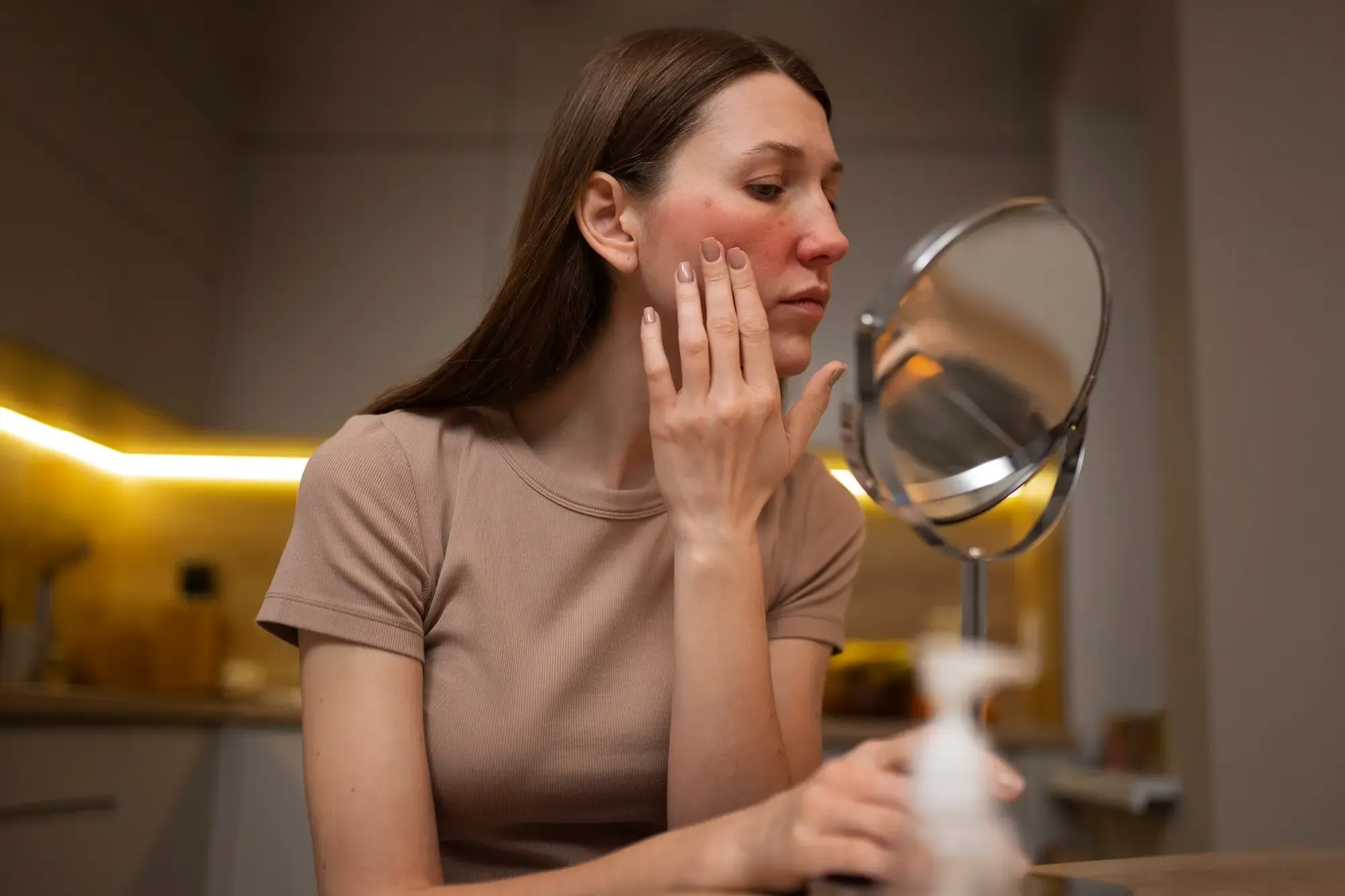
Author: Nulook ExpertiseReview by: NuLook Aesthetic DoctorsProlonged sun exposure can leave lasting effects on your skin, from uneven tone to premature aging. Over time, UV rays break down collagen, damage skin cells, and accelerate visible signs of aging, often without immediate notice. This is why many people search for how to repair sun damaged skin in a way that is both safe and effective.
With the right combination of skincare, healthy habits, and advanced aesthetic treatments, sun-damaged skin can be repaired and restored. For more detailed insights and professional solutions, explore the complete guide below!
Signs and Symptoms of Sun Damaged Skin
Sun damage doesn’t always appear overnight. In many cases, the effects gradually become more visible as the skin’s ability to regenerate slows down.
Common signs and symptoms include:
1. Dark Spots and Hyperpigmentation
Prolonged sun exposure stimulates excess melanin production as the skin tries to protect itself from UV rays. This process often results in dark spots, sunspots, or uneven pigmentation that becomes more noticeable over time.
These spots commonly appear on areas frequently exposed to the sun, such as the face, cheeks, forehead, and nose.
Read Also: 5 Differences Between Sunscreen and Sunblock
2. Uneven Skin Tone
UV damage disrupts normal melanin distribution, causing patchy or blotchy discoloration across the skin. As a result, the complexion may look dull, uneven, and less radiant. Uneven skin tone is often one of the earliest signs of sun damage and can worsen with continued sun exposure.
3. Fine Lines and Wrinkles
Repeated exposure to UV rays breaks down collagen and elastin fibers, which are essential for maintaining smooth and firm skin. When these structural proteins weaken, fine lines and wrinkles begin to form more quickly.
Sun-induced wrinkles often appear around the eyes, mouth, and forehead, making the skin look prematurely aged. Over time, these lines can deepen if left untreated.
4. Rough or Dry Skin Texture
Sun-damaged skin often feels rough, dry, or uneven skin texture due to a weakened skin barrier and slower cell turnover. Dead skin cells tend to accumulate on the surface, making the skin look dull and feel less smooth.
In some cases, the skin may also feel tight or irritated. This rough texture is a sign that the skin needs repair and hydration support.
5. Loose Skin
One of the most noticeable effects of sun damage is reduced skin elasticity and firmness. UV exposure damages collagen production and elastin in the deeper layers of the skin, causing it to lose its ability to bounce back.
As a result, the skin may appear looser, less lifted, and more prone to sagging skin. This loss of elasticity often becomes more visible with age and prolonged sun exposure.
Read Also: 8 Easy Tips for Healthy and Radiant Skin
How to Repair Sun Damaged Skin?
Repairing skin damage from sun exposure requires a multi-layered approach. While daily skincare forms the foundation, professional or in office treatments can help reverse sun damage and improve overall appearance more effectively:
1. Commit to Daily Sun Protection
Repairing sun damage starts with preventing and avoiding further damage. Consistently apply sunscreen with an appropriate sun protection factor, even on cloudy days or during the summer months. Combining this with wearing protective clothing helps protect the skin from ongoing skin damage.
2. Restore the Skin Barrier with Proper Hydration
Sun exposure weakens the skin barrier and disrupts the natural healing process. Proper hydration supports recovery, especially when tailored to your skin type, helping improve texture and reduce visible redness caused by irritation.
3. Use Targeted Skincare Ingredients
A high-quality skincare routine is essential for repairing sun damage between treatments. Look for products that contain:
- Antioxidants (such as Vitamin C) to protect against free radicals and brighten the skin
- Retinol or retinoids to promote cell turnover and improve fine lines
- Hyaluronic acid to deeply hydrate and plump the skin
- Gentle exfoliants like lactic acid or glycolic acid to smooth and renew skin texture
Consistent use of these ingredients helps fade pigmentation and improve overall skin quality over time.
4. Support Skin Repair Through Lifestyle Habits
Internal factors also influence recovery. A balanced lifestyle supports the natural healing process and helps maintain a more youthful appearance. Avoid habits such as using tanning beds, which can worsen skin aging and contribute to long-term skin damage.
5. Chemical Peeling
Chemical peels work by exfoliating the outermost layer of damaged skin, helping reduce sun spots, uneven tone, and dullness. This process encourages renewal and, in some cases, can be combined with treatments like laser resurfacing to stimulate collagen production and improve overall results.
Read Also: The Dangers of Sunlight for Your Face and How to Protect It
6. Pico Laser
Pico laser is an advanced treatment designed specifically to address sun damage and hyperpigmentation. Using ultra-short laser pulses, pico laser breaks down excess pigment without damaging surrounding skin.
This makes it highly effective for treating dark spots, post-inflammatory hyperpigmentation, and uneven skin tone while keeping the skin smooth and healthy.
7. Skin Booster
Skin booster injections deeply hydrate and repair sun-damaged skin from within. By improving moisture levels and skin quality, skin boosters help restore elasticity, smooth fine lines, and enhance overall radiance, making them an ideal complement to laser treatments.
Understanding how to repair sun damaged skin involves recognizing the signs early and taking a comprehensive approach to skin care. For optimal and long-lasting results, consider consulting with the experts at Nulook.
Repair Sun Damage with Pico Laser & Skin Booster at Nulook!
For those seeking advanced solutions, Pico Laser + Skin Booster at Nulook offers a powerful combination to effectively repair sun-damaged skin.
Pico laser is an advanced hyperpigmentation treatment that targets dark spots and post-inflammatory hyperpigmentation using ultra-short laser pulses. This precise technology helps break down excess pigment while maintaining smooth, healthy skin.
To enhance results, Nulook combines pico laser treatment with skin booster injections, an advanced solution designed to deeply restore skin hydration and improve overall skin quality. Using premium formulations such as salmon DNA injections, skin boosters help improve elasticity, smooth fine lines, and revitalize dull, sun-damaged skin for a naturally radiant glow.
If you’re ready to restore your skin’s clarity and health, contact Nulook via WhatsApp and book your treatment consultation today for personalized, professional care!
References:
- American Academy of Dermatology. Accessed in 2026. How dermatologists treat sun-damaged skin.
- Cleveland Clinic. Accessed in 2026. Sun-damaged Skin (Photoaging).
