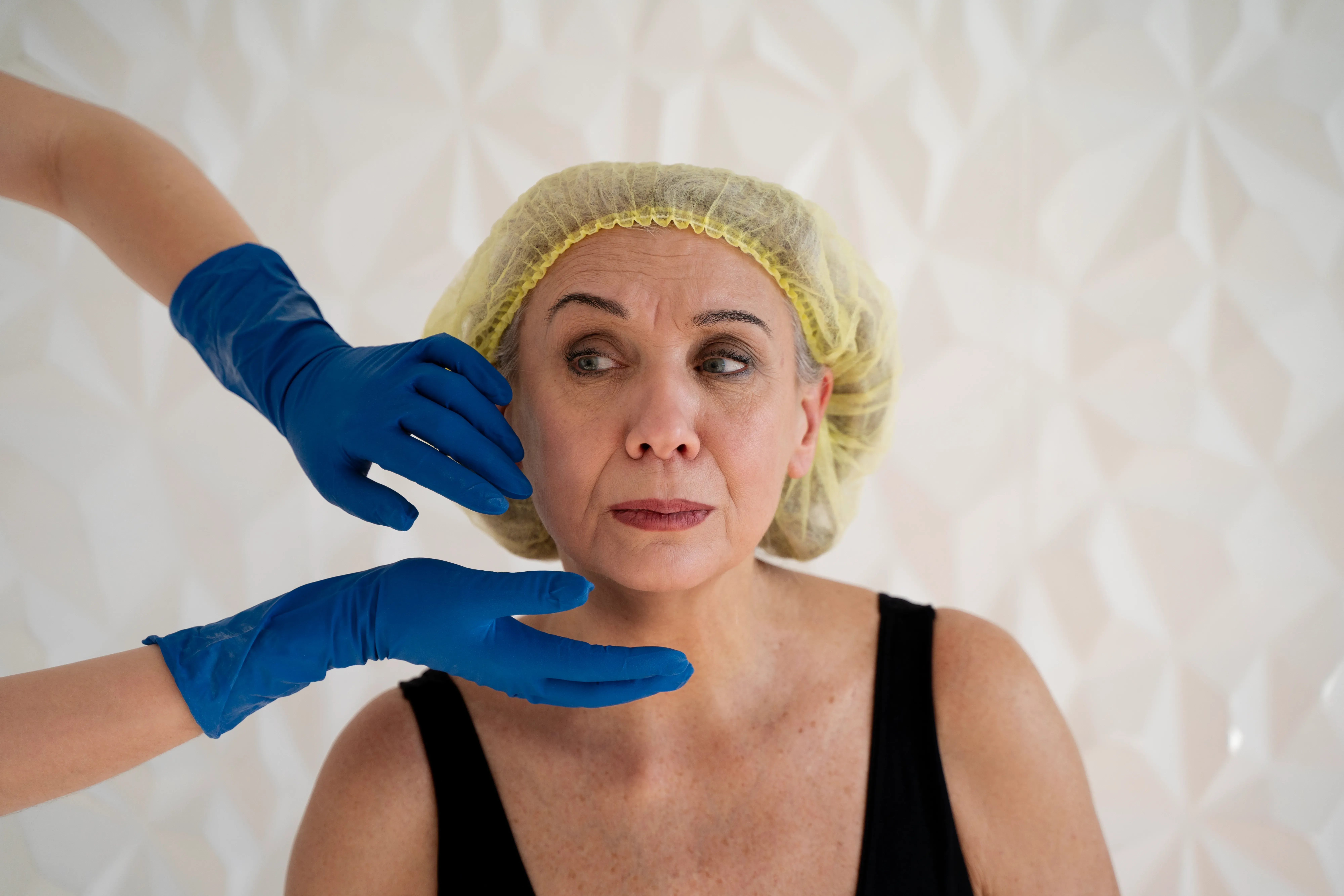

Causes of Facial Volume Loss and How to Restore a Balanced Look
Author: Nulook ExpertiseReview by: NuLook Aesthetic DoctorsFacial volume loss happens when the face gradually loses some of the fat and structural support that give it shape. Aging is a common cause, but genetics, significant weight loss, and changes in the underlying facial structure can also play a role.
The important distinction is that facial volume loss is not the same as sagging. A face can look older because it has lost volume, because tissue has descended, or because both are happening together. Here is what to know before choosing an approach.
Read also: 7 Amazing Benefits of Anti-Aging Treatments
What Causes Facial Volume Loss?
Several factors can contribute to lost facial fullness. In many people, more than one is involved:
1. Natural Aging
Age-related changes in facial fat are one of the better-known contributors to facial volume loss. Some fat compartments become smaller while others shift, creating changes in facial contours rather than a uniform loss of fullness. At the same time, collagen production and skin elasticity decline.
2. Significant Weight Loss
When you lose a substantial amount of body fat, your face can lose fullness as well. The cheeks and temples may appear more hollow, while the skin may look looser if it does not retract fully after weight loss.
3. Genetics and Facial Structure
Not everyone starts with the same amount or distribution of facial fat. Naturally prominent cheekbones, deeper temples, or a slimmer midface can create a more defined appearance without indicating age-related volume loss.
4. Changes Beneath the Soft Tissue
Facial aging involves more than skin and fat. Research shows that the facial skeleton also undergoes age-related remodeling, including changes around the orbit, maxilla, and mandible. These structural changes can alter how the soft tissues sit on the face.
What Does Facial Volume Loss Look Like?
Facial volume loss can show up differently depending on where the change occurs. Common areas include the cheeks, temples, under-eye region, lips, and areas around the mouth:
- Flatter cheeks than before
- Hollow-looking temples
- More noticeable under-eye hollows
- Thinner-looking lips
- Deeper nasolabial folds
- Less defined facial contours
- A more tired or aged appearance
Read also: 11 Natural Ways to Keep Your Skin Youthful and Firm
Can Facial Volume Loss Be Reversed?
Lost facial fat cannot be restored through moisturizer, facial exercises, or a particular food. Skincare can protect skin quality and help maintain the collagen and elasticity that remain, but it does not replace lost subcutaneous volume.
Aesthetic treatment can restore or recreate facial fullness, depending on the cause. Dermal fillers provide targeted volume, collagen stimulators encourage gradual collagen production, and fat transfer uses your own fat to add volume. When volume loss is combined with significant tissue descent and loose skin, facelift surgery may be more appropriate.
The goal should not be to make the face as full as possible. Restoring the right amount of volume in the right location is more important for maintaining facial balance.
How Can Facial Volume Loss Be Treated?
The best option depends on the amount and location of volume loss, skin laxity, facial structure, and how much change you want. These treatments serve different purposes rather than being interchangeable:
1. Dermal Fillers
Fillers can restore volume in specific areas such as the cheeks, temples, or other areas affected by deflation. Their main advantage is precision, since a practitioner can control where volume is added and how much correction is made.
The treatment is generally less involved than surgery and can be useful when the concern is localized volume loss rather than widespread facial aging. The filler type, amount, and injection depth should be selected according to the treatment area and facial anatomy.
2. Collagen Stimulator
Collagen stimulators take a more gradual approach to facial rejuvenation. Instead of relying only on immediate added volume, they stimulate collagen production over time, which can improve the appearance of gradual volume loss and skin quality.
This can suit people who prefer a progressive change rather than an obvious immediate increase in fullness. Nulook describes its collagen stimulator treatment as providing gradual volume restoration and improvements in skin quality, with the duration and response depending on the product and individual factors.
3. Facial Fat Transfer
Fat transfer uses your own fat to restore volume to areas that appear hollow or deflated. Fat is harvested from another part of the body, processed, and transferred to selected areas of the face.
Because it uses your own tissue and involves both fat harvesting and facial grafting, it is a surgical procedure rather than a simple injectable treatment. Not all transferred fat necessarily survives, so the final result can differ from the initial postoperative appearance.
4. Facelift
A facelift becomes more relevant when facial volume loss occurs alongside significant sagging, jowling, or excess skin. Surgery can reposition deeper facial tissues and remove excess skin, addressing tissue descent that cannot be corrected simply by adding volume.
For some patients, a facelift and volume restoration may address different parts of the same aging process. The decision depends on whether the dominant concern is deflation, descent, or a combination of both.
Read also: What Age to Start Anti-Aging Treatments?
Restore Lost Volume With a Plan Built Around Your Facial Structure
Facial volume loss is rarely just a matter of having “less fat” in the face. Aging affects multiple layers at once, and the most natural rejuvenation approach considers volume, tissue position, skin quality, and facial proportions together.
For those considering anti-aging treatment Bali, Nulook offers the treatments above. Its broader aesthetic and plastic surgery services also make it possible to address volume loss alongside other signs of facial aging when needed.
Nulook is a Korean aesthetic clinic in Bali with medical professionals mentored by experienced Korean doctors. What makes this particularly relevant to facial volume loss is the ability to look beyond the hollow area itself. The treatment can take into account your facial proportions, skin laxity, and the areas that have changed over time.
Book an appointment with Nulook and take the next step toward restoring facial fullness with a treatment approach that respects your natural facial proportions.
References:
- Stanford Health Care. Accessed in 2026. Facial Volume Loss and Double Chin
- National Library of Medicine. Accessed in 2026. Topical Volumizing Cream Improves Facial Volume and Skin Health in Adults With Rapid Weight Loss From Pharmacologic (GLP‐1/GIP Agonists), Surgical, or Behavioral Interventions
- Cleveland Clinic Health Essentials. Accessed in 2026. 'Ozempic Face': What It Is and How to Avoid It
