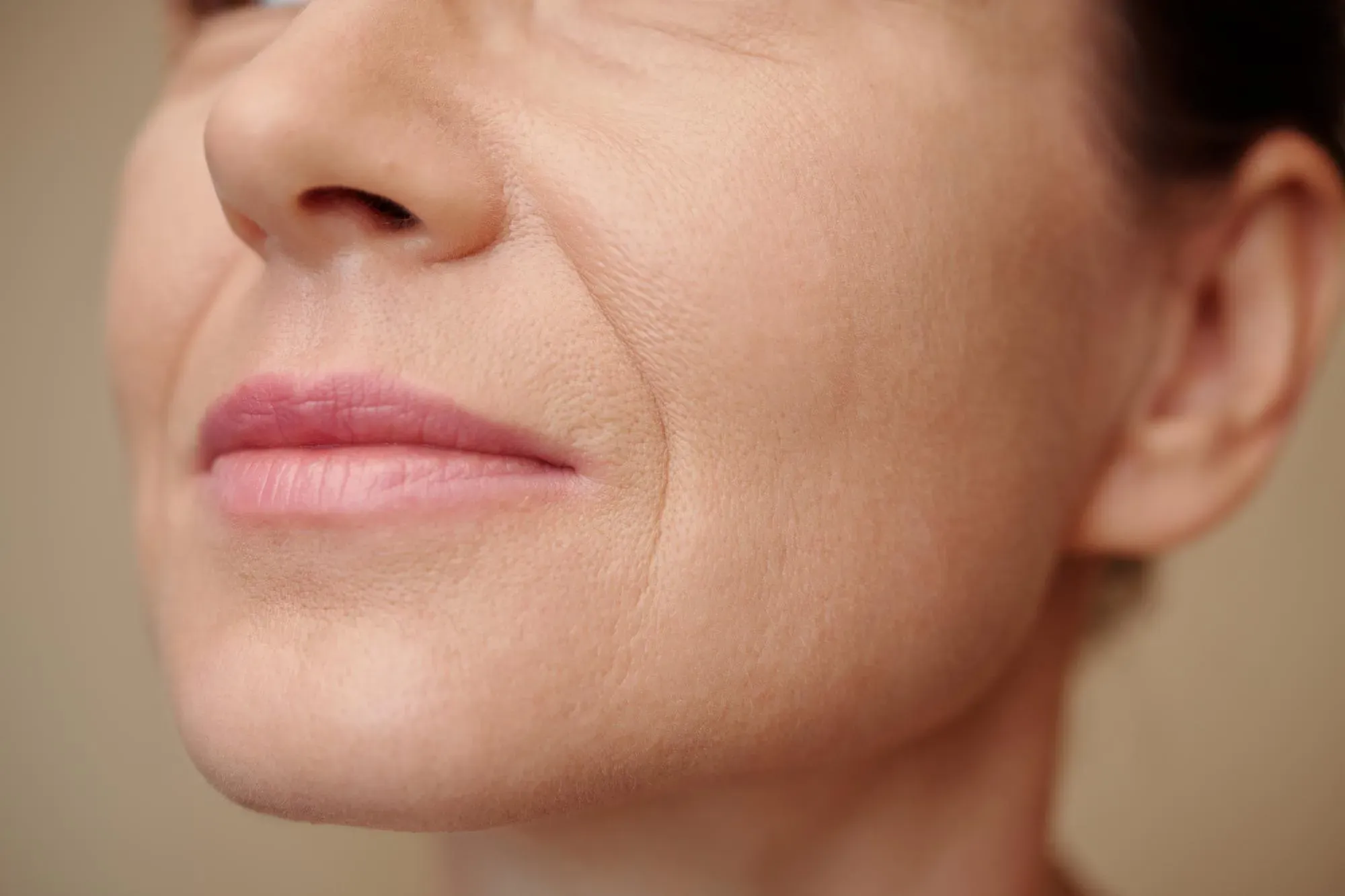

Why Does My Skin Feel Thinner? Causes, Signs, and How to Strengthen It
Author: Nulook ExpertiseReview by: NuLook Aesthetic DoctorsIf you have ever looked in the mirror and wondered, why does my skin feel thinner than it used to, you are not alone. Many people notice that their skin becomes more fragile, sensitive, or less firm over time, even when they maintain a regular skincare routine.
Understanding why this happens is the first step toward strengthening your skin and restoring a healthier, more resilient appearance.
So, let’s take a closer look at what causes skin thinning and the most effective ways to restore strength, density, and confidence in your skin.
Why Does My Skin Feel Thinner?
Skin thinning does not happen overnight. It is a gradual process influenced by natural aging, cellular changes, and external factors that affect how your skin regenerates and maintains its structure.
1. Slower Skin Cell Regeneration with Age
When we are young, our skin regenerates quickly through a natural exfoliation process called desquamation.
New skin cells are generated in the epidermal layer known as the stratum germinativum. As these cells move upward to the outermost layer, the stratum corneum, they reach the end of their life cycle and are naturally shed. This process reveals fresher, healthier skin underneath.
In young adults, this regeneration cycle takes about 28 days. However, as we age, this process slows significantly.
After the age of 40, cell turnover may take much longer, and by the age of 50, it can extend up to three months. As a result, the skin may feel thinner, duller, and less resilient because new cells are not replacing old ones as efficiently.
Read Also: Causes of Dull Skin and How to Brighten It
2. Loss of Collagen and Elastin
Collagen and elastin are essential proteins that give skin its thickness, firmness, and elasticity. Over time, natural collagen production declines, leading to weaker skin structure. This reduction makes the skin feel thinner and more prone to fine lines, sagging, and damage.
Without sufficient collagen support, the skin loses its ability to maintain density, which is why thinning skin is often accompanied by visible signs of aging.
3. Cumulative Lifestyle Habits
A lifetime of certain habits can significantly reduce the skin’s ability to regenerate. Frequent alcohol consumption, smoking cigarettes, excessive sun exposure, tanning, and a diet high in processed foods all contribute to premature skin aging.
These factors increase oxidative stress and inflammation in the skin, damaging collagen fibers and slowing down cell renewal. Over time, this accelerates the thinning process and weakens the skin barrier.
4. Hormonal Changes
Hormonal fluctuations play a major role in skin thickness. Changes related to pregnancy, perimenopause, and menopause can affect collagen levels and skin elasticity.
After menopause, thinning skin and loss of firmness tend to accelerate due to reduced estrogen levels, which are closely linked to collagen production and skin hydration.
Read Also: Signs of Premature Aging and How to Prevent It
Signs Your Skin Is Becoming Thinner
Thinning skin can look and feel different from simple dryness. Below are common signs that may indicate your skin is becoming thinner rather than just dehydrated:
- Skin feels fragile or delicate to the touch
- Increased sensitivity, redness, or irritation
- Fine lines appear more noticeable
- Skin bruises more easily than before
- Visible veins or capillaries under the skin
- Skin tears or becomes irritated with minimal friction
- Makeup settles into lines more easily
Recognizing these signs early allows you to take steps to protect and strengthen your skin before the condition progresses further.
How to Prevent Skin from Feeling Thinner
Prevention focuses on protecting the skin barrier, supporting collagen production, and maintaining healthy skin regeneration habits.
1. Avoid Harmful Lifestyle Triggers
Certain habits accelerate skin thinning and should be minimized or avoided altogether. These include tanning, excessive alcohol consumption, smoking, and recreational drug use.
Reducing these triggers helps slow collagen breakdown and supports healthier skin aging.
2. Wear Sun Protection Daily
Daily sun protection is one of the most effective ways to prevent thinning skin. UV exposure breaks down collagen and elastin, leading to weaker skin structure.
Applying broad-spectrum sunscreen every day, even when indoors or on cloudy days, helps preserve skin thickness over time.
Read Also: Preventing Premature Aging: Simple Tips for Youthful Skin
3. Stay Properly Hydrated
Hydration plays a key role in maintaining skin resilience. Drinking enough water supports circulation, nutrient delivery, and overall skin function. Well-hydrated skin appears fuller and more supple, reducing the appearance of thinness.
4. Maintain a Healthy, Balanced Diet
A heart-healthy diet rich in colorful fruits and vegetables provides antioxidants, vitamins, and minerals that support collagen production. Nutrients such as vitamin C, vitamin E, and omega fatty acids are especially important for skin strength and repair.
5. Use Gentle Skincare and Moisturizers
Gentle cleansing helps protect the skin barrier from unnecessary damage. Harsh cleansers and over-exfoliation can strip the skin and worsen thinning.
Using nourishing moisturizers helps lock in hydration, support barrier repair, and improve skin comfort and resilience.
Are There Treatments for Thin Skin?
Yes, there are several treatments that can help improve skin thickness, strength, and overall quality. The right option depends on the severity of thinning and individual's skin needs.
1. Topical Retinol or Retinoids
Topical retinol or retinoids, derived from vitamin A, are widely known to support skin renewal. These ingredients encourage cell turnover and stimulate collagen production, which may help thicken the skin over time when used correctly and consistently.
2. Professional Skincare Treatments
Medical-grade skincare treatments can deliver active ingredients deeper into the skin than over-the-counter products. These treatments are often tailored to strengthen the skin barrier and improve texture and firmness.
If you have been asking yourself why does my skin feel thinner, the answer usually lies in a combination of slowed skin regeneration, collagen loss, lifestyle habits, and hormonal changes.
For advanced care tailored to your skin’s needs, Nulook offers professional solutions designed to support long-term skin health.
Looking to Restore Skin Strength and Firmness? Try Collagen stimulator CaHA at Nulook
If thinning skin, volume loss, or sagging has become a concern, explore Collagen Stimulator Treatment CaHA at Nulook.
Achieve firmer, smoother, and more radiant skin through collagen stimulator injections, an advanced aesthetic treatment designed to enhance your skin’s structure naturally.
Using Calcium Hydroxylapatite (CaHA), this procedure stimulates natural collagen production while providing immediate structural support to the skin.
Over time, CaHA helps improve skin density, restore firmness, and reduce the appearance of deep wrinkles and sagging for long-lasting, natural-looking results.
Unlike instant fillers, collagen stimulators work gradually to restore youthful volume and elasticity, giving your skin a refreshed, long-lasting glow.
Book an appointment now and start strengthening your skin from within at Nulook!
References:
- West Dermatology. Accessed in 2026. The Skinny on Thinning Skin: The Causes and Treatments for Skin Volume Loss.
- Medical News Today. Accessed in 2026. What to know about thin skin and how to manage it.
