
The Strategy of Managing Subcutaneous Fat, Mastering the Shape of Your Silhouette!
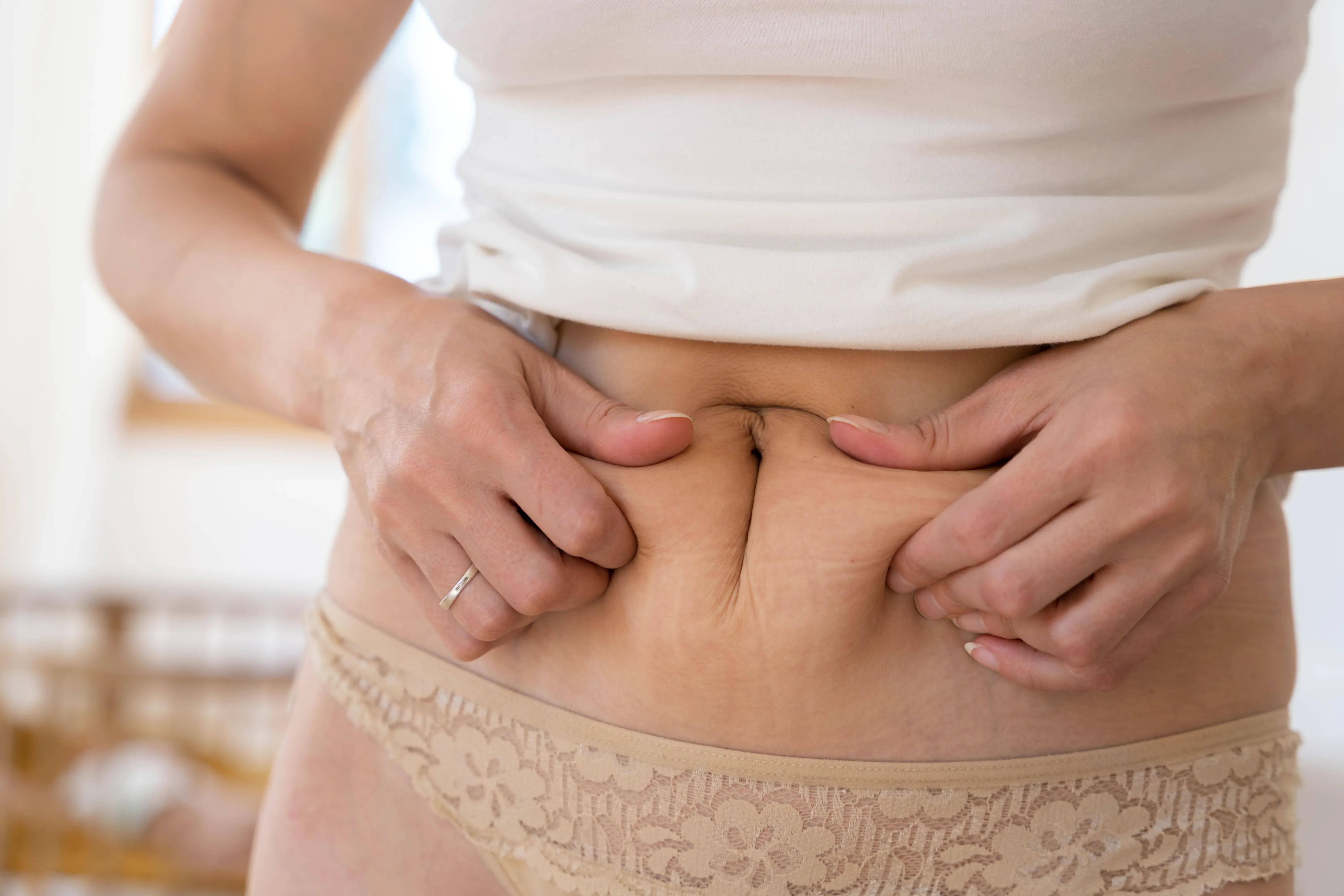
Author: Nulook ExpertiseReview by: NuLook Aesthetic DoctorsThe human body stores fat in several distinct ways, but the most visible and familiar type is the soft layer resting directly beneath the skin surface. Known scientifically as subcutaneous fat, this tissue is pinchable, malleable, and tends to accumulate around the abdomen, thighs, arms, and hips.
Many people find that even with a strict fitness regimen, certain pockets of this tissue refuse to budge due to genetic predispositions and hormonal shifts. This guide provides a detailed look into the science behind this layer, why it persists, and how modern wellness advancements can help you achieve a more contoured appearance.
Read also: Natural Treatments for a V-Shape Face
Understanding the True Nature of Subcutaneous Fat Tissue
To effectively manage your body composition, it is vital to recognize how this soft tissue layer functions within your metabolic system. It is essentially your body's energy bank, designed to grow when caloric intake exceeds expenditure.
While it is less metabolically harmful than deeper abdominal fat, a persistent accumulation often signals that your body has established a stubborn baseline that is difficult to break through using solo lifestyle changes.
Furthermore, this layer dictates the overall smooth or dimpled texture of your skin. When the connective bands beneath the surface pull down while fat cells push upward, it creates the appearance of cellulite.
Because this tissue is structural, reducing it requires a strategy that targets the actual cells rather than just temporary water weight. Failing to understand this distinction is why many superficial slimming remedies yield disappointing, short-lived results.
Why Traditional Weight Loss Methods Often Fall Short
Many people experience frustration when attempting to spot-reduce specific areas of softness, and the explanation lies in human biology. When you lose weight through diet and cardiovascular exercise, your body burns energy uniformly across the entire system rather than pulling from a single chosen area. Learn more here:
1. The Role of Genetic Hardwiring
Your genetic makeup largely dictates where your body prefers to deposit and retain its energy reserves. If your family history points toward carrying extra volume in the lower abdomen or outer thighs, your body will naturally defend those fat cells during a caloric deficit. This means you might notice your face or chest slimming down significantly while your target problem areas remain virtually unchanged.
2. Hormonal Influences on Storage
Hormones like estrogen, cortisol, and insulin heavily influence how your body distributes its fat layers. High stress levels elevate cortisol, which signals the body to hold onto its energy reserves as a survival mechanism. Similarly, natural fluctuations in estrogen as we age shift fat distribution patterns, often making the lower stomach and hips much more stubborn than they were in younger years.
3. Cellular Receptor Variations
Fat cells are not all identical; they contain different types of receptors that either accelerate or inhibit fat breakdown. The cells located in stubborn areas often have a higher density of receptors that slow down the release of stored energy. Therefore, even during intensive exercise, these specific zones do not receive the same blood flow or metabolic signaling required to efficiently mobilize and burn the fat.
Read also: Onda Pro vs Coolsculpting: The Next Evolution in Body Contouring
Safe Ways to Reduce Subcutaneous Fat
Reducing subcutaneous fat requires consistency, realistic expectations, and the right approach based on your body condition. While fat beneath the skin can be more difficult to target in certain areas, combining healthy habits with appropriate aesthetic treatments may help improve body definition more effectively:
1. Maintain a Consistent Calorie Deficit
One of the most effective ways to reduce subcutaneous fat is by maintaining a healthy calorie deficit. This means consuming fewer calories than the body burns daily. However, extreme dieting should be avoided because it may lead to muscle loss and unstable body weight changes.
2. Increase Physical Activity
Regular exercise helps the body burn stored fat more efficiently. Combining cardio workouts with strength training may support fat reduction while improving muscle tone and body proportions at the same time.
3. Improve Daily Eating Habits
Highly processed foods, excessive sugar intake, and irregular eating patterns may contribute to fat accumulation. Choosing balanced meals with enough protein, fiber, and healthy nutrients can help support long term body composition improvements.
4. Prioritize Quality Sleep
Poor sleep quality may affect hormones related to hunger and fat storage. Consistently getting enough rest can help support metabolism and reduce the tendency to overeat during the day.
5. Stay Consistent with Hydration
Proper hydration supports overall body function, including metabolism and digestion. Drinking enough water may also help reduce unnecessary snacking caused by dehydration signals that are often mistaken for hunger.
6. Consider Non Invasive Body Contouring Treatments
Some people struggle with stubborn fat areas even after maintaining a healthy lifestyle. Non invasive body contouring treatments may help target localized fat deposits in areas such as the stomach, thighs, arms, or waist with minimal downtime.
7. Focus on Sustainable Progress
Subcutaneous fat reduction usually takes time and consistency. Sustainable lifestyle adjustments are generally more effective than short term extreme methods that are difficult to maintain long term.
Read also: Skin Clinic Bali for Safe and Advanced Aesthetic Care
Experience Next-Generation Body Sculpting with Medical Excellence
In conclusion, managing subcutaneous fat requires a balanced understanding of biology, lifestyle consistency, and advanced clinical technology. While a healthy routine supports your systemic well-being, localized stubborn pockets often demand a more targeted intervention to truly break down the cell walls.
When lifestyle changes hit a plateau, integrating your routine with a sophisticated, clinically proven procedure can bridge the gap between your hard work and your desired results. Choosing an elite medical environment allows you to address these stubborn areas with the highest level of professionalism and care.
For those seeking the ultimate solution in non-invasive contouring, the ONDA Pro Treatment Bali at Nulook represents the absolute pinnacle of aesthetic innovation. The ONDA Pro utilizes patented Coolwaves® technology that generates specialized microwaves at 2.45 GHz.
This specific frequency remains entirely "transparent" to the upper layers of your skin, bypassing the surface completely to concentrate 80% of its thermal energy directly where it is needed most. When applied to the body, this targeted energy causes the fat cells to vibrate rapidly and break down through a sophisticated process known as electroporation.
Choosing the Korean aesthetic clinic Nulook ensures you receive this high-performance technology under the guidance of top-tier medical specialists. Nulook is highly regarded across the region for its strict medical ethics, premium authentic materials, and predictable, data-driven outcomes.
Trust our expert team to help you achieve a more defined shape safely; book an appointment with Nulook today.
References:
- Cleveland Clinic. Accessed in 2026. Subcutaneous Fat: What You Need to Know.
- National Institutes of Health PubMed Central. Subcutaneous adipose tissue & visceral adipose tissue.
- Medical News Today. Accessed in 2026. Subcutaneous fat: What to know and how to lose it.
