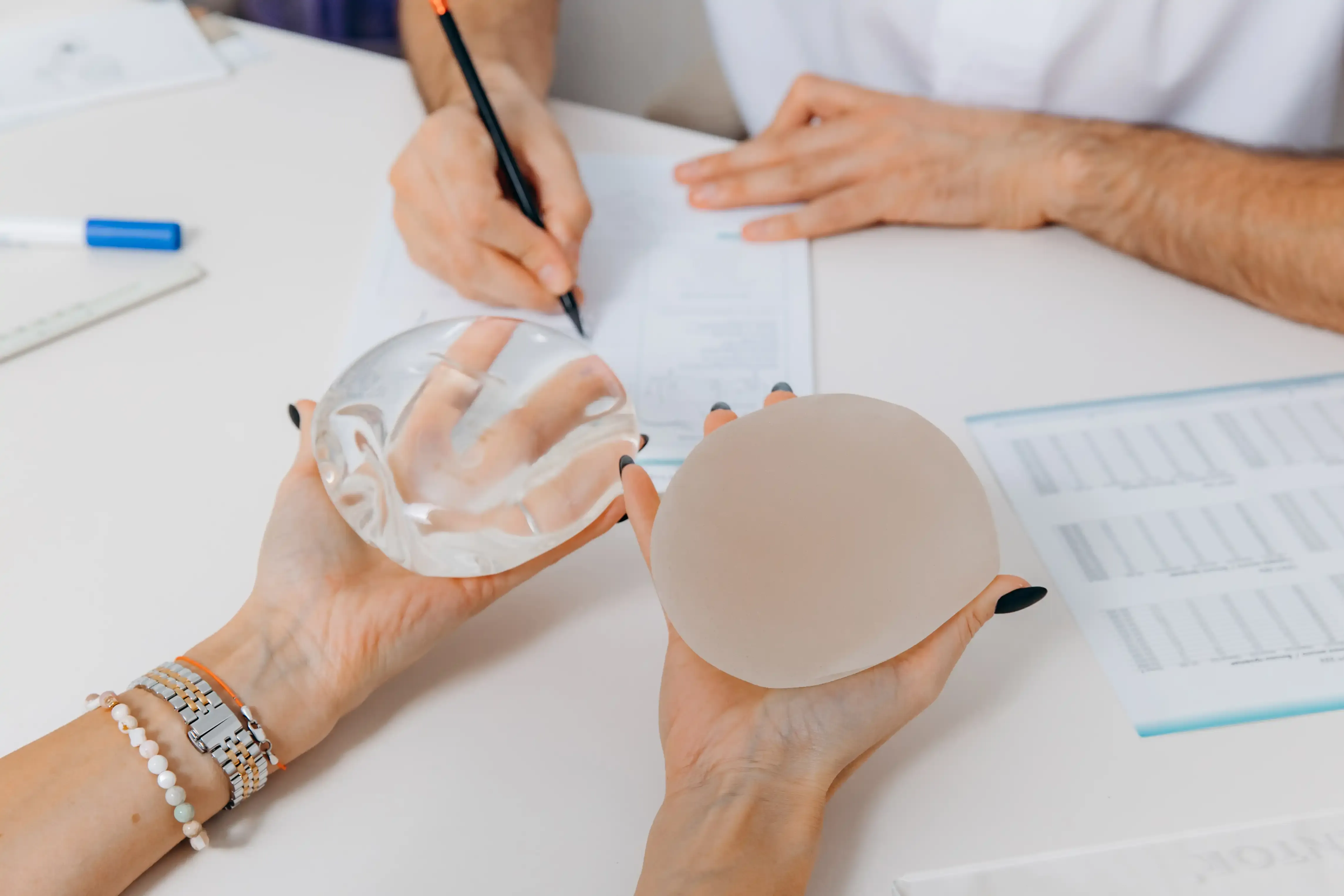

What You Should Know About Silicone Implants for Breast Augmentation
Author: Nulook ExpertiseReview by: NuLook Aesthetic DoctorsSilicone implants are commonly chosen for breast augmentation because they can increase breast volume while maintaining a soft, natural feel. They are available in different sizes, shapes, and profiles to suit different body proportions and aesthetic goals.
However, implants also require long-term care and monitoring. Before choosing them, it helps to understand their benefits, how they compare with saline implants, and what recovery involves. Here are the key points you need to know.
Read also: Get to Know Plastic Surgery: Definition, Benefits, and Risks
Why Are Silicone Implants a Good Choice for Breast Augmentation?
Silicone implants are designed to add breast volume while maintaining a look and feel similar to natural breast tissue. Their main advantages include the following:
1. Feel Similar to Natural Breast Tissue
Silicone implants contain a soft gel with a consistency similar to natural breast tissue. This can make the implant less noticeable by touch, particularly when its size and placement suit the patient's existing breast tissue.
2. Create Natural-Looking Breast Contours
Silicone implants are available in different shapes and profiles, giving surgeons options for controlling width and projection. This makes it possible to add volume without automatically creating an overly prominent appearance.
3. Available in Highly Cohesive Gel
Highly cohesive silicone implants contain a firmer gel that holds together and maintains its shape. They are sometimes called "gummy bear" implants because the gel remains stable rather than behaving like a liquid.
4. Restore Lost Breast Volume
Pregnancy, breastfeeding, aging, and significant weight loss can leave the breasts looking less full than before. Silicone implants can replace some of this lost volume and improve breast projection. They can also add fullness to the upper breast when appropriate.
5. Offer Different Sizes and Profiles
Silicone implants come in various widths, volumes, and projections. This allows the implant to be selected according to the patient's chest dimensions instead of focusing only on cup size. Two implants with similar volumes can create different appearances depending on their profile.
Read also: 5 Food Restrictions After Plastic Surgery You Need to Understand
What Is the Difference Between Saline and Silicone Implants?
Both types have a silicone outer shell, but their fillings are different. Silicone implants contain silicone gel, while saline implants contain sterile saltwater. Here are the main differences:
1. Implant Filling
Silicone implants come pre-filled with silicone gel, which can range from soft to highly cohesive. Saline implants are filled with sterile saltwater, usually after the empty shell has been placed during surgery.
2. Look and Feel
Silicone gel tends to feel more similar to natural breast tissue. This is particularly noticeable in women who have less existing breast tissue covering the implant.
Saline implants generally feel firmer and may be easier to notice by touch. Rippling or implant edges may also be more visible in patients with thin tissue coverage.
3. Rupture
When a saline implant ruptures, the saltwater leaks out and is safely absorbed by the body. The breast usually becomes noticeably smaller, making the rupture relatively easy to recognize.
Silicone implant rupture may not immediately change the appearance of the breast because the gel can remain within the surrounding tissue capsule. This is known as a silent rupture.
4. Monitoring
Because silicone implant rupture can occur without obvious symptoms, periodic imaging may be recommended. Ultrasound or MRI can help identify changes that cannot be detected through appearance or touch alone.
Saline ruptures are generally easier to notice because the implant loses volume. However, both implant types still require attention to any unusual breast changes.
5. Choosing the Right Option
Silicone implants may appeal to patients who prioritize a softer and more natural feel. Saline implants may be preferred by those who value easier rupture detection or specific sizing options.
Neither is automatically better for everyone. Existing breast tissue, chest dimensions, desired volume, and personal preferences all influence which option is more suitable.
How Long Does a Silicone Implant Last?
Silicone implants are designed for long-term use, but they are not considered lifetime devices. There is no rule that every implant must automatically be replaced after exactly 10 years.
Some implants can remain in good condition for many years, while others may require earlier removal or replacement because of rupture, capsular contracture, discomfort, or changes in breast shape. The likelihood of implant-related complications can increase as the device gets older.
Regular monitoring is therefore more useful than relying on a fixed replacement date. Any new changes in breast shape, firmness, sensation, or comfort should be medically evaluated.
What Care Is Needed After Breast Implant Surgery?
Proper aftercare helps the breast tissue heal around the implants and reduces unnecessary strain during recovery. These 5 steps are particularly important:
1. Allow Enough Time for Recovery
Swelling, tightness, bruising, and mild discomfort are common during the first stage of healing. These symptoms generally improve gradually rather than disappearing immediately. Avoid returning to strenuous activities too quickly. Internal tissue continues healing even after you start feeling more comfortable.
2. Wear the Recommended Support Bra
A surgical or supportive bra may be recommended after breast augmentation. It supports the breasts while swelling decreases and the implants settle. Follow your surgeon's instructions about how long it should be worn. Regular or underwire bras may need to be avoided temporarily during recovery.
3. Limit Heavy Physical Activity
Gentle walking may be encouraged early in recovery, but heavy lifting and intense upper-body exercise usually need to wait. Too much strain can increase discomfort and interfere with healing. Physical activity should be increased gradually. Follow the recovery timeline provided for your specific procedure rather than relying only on how comfortable you feel.
4. Pay Attention to Unusual Symptoms
Increasing pain, significant redness, fever, unusual discharge, sudden swelling, or noticeable changes in breast shape should not be ignored. These symptoms may require medical evaluation. Seek medical attention promptly if something feels significantly different from your expected healing process.
5. Continue Long-Term Monitoring
Implant care continues after the initial recovery period. Silicone implants may require periodic ultrasound or MRI imaging to check their condition, particularly because rupture may occur without noticeable symptoms. Keep a record of your implant type and surgery date as well. This information can be useful during future breast examinations or imaging.
Read also: Complete Guide to Breast Augmentation Surgery for Confident Curves
Choose Breast Implants That Complement Your Shape
Silicone implants can add volume, improve breast symmetry, and restore fullness while maintaining a soft feel. The best result depends not only on implant size but also on choosing a shape, width, and projection that complement your natural proportions.
For women considering Breast Implants, having different implant options makes it possible to choose the level of fullness and shape that feels right for their body. This is where careful implant selection becomes just as important as the procedure itself.
Nulook offers silicone gel, highly cohesive silicone, and saline breast implant options, with an approach centered on proportion and a natural-looking silhouette. Rather than simply adding volume, the aim is to create a breast shape that works with your existing frame.
Book an appointment with Nulook to explore the breast implant option that suits the result you want.
References:
- Mayo Clinic. Accessed in 2026. Breast implants: Saline vs. silicone
- National Institutes of Health. Accessed in 2026. Silicone Implants and Breast Imaging
- American Society of Plastic Surgeons. Accessed in 2026. Silicone vs saline breast implants
