
Scar Treatment for Smoother and Healthier Skin
Author: Nulook ExpertiseReview by: NuLook Aesthetic DoctorsScars can appear after acne, injuries, or surgical procedures, and many people find that they affect not only skin texture but also confidence. Fortunately, modern scar treatment options have advanced significantly, offering solutions that help improve the appearance of scars while supporting natural skin regeneration.
Today, aesthetic technology provides several effective approaches to soften scar tissue, stimulate collagen production, and restore smoother skin texture. In this article, you will discover different types of scar treatment that are commonly used in aesthetic clinics, along with practical ways to help prevent scars from forming in the first place.
Read also: 10 Ways to Remove Old Scars on the Face
Types of Scar Treatments
Different types of scars require different approaches. Some scars sit deeper in the skin and need stimulation to rebuild collagen, while others require volume restoration or targeted resurfacing. The following treatments are widely used to improve skin texture and reduce the appearance of scars:
1. Fraxis Duo Laser
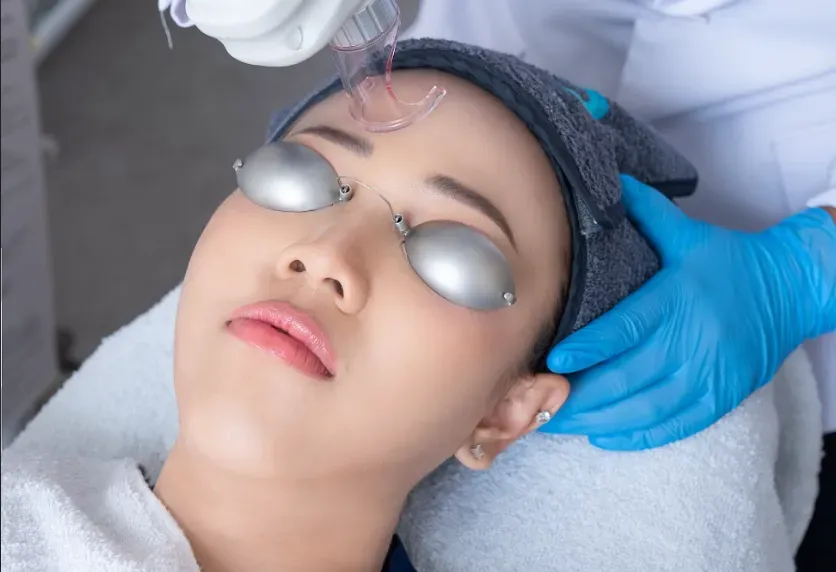
Fraxis Duo Laser is a dual technology laser treatment designed to address uneven skin texture caused by scars. This system combines two types of laser energy that work on different layers of the skin.
One laser stimulates collagen production in the deeper dermal layer, while the second laser helps resurface the skin's surface. This combination encourages gradual skin renewal and helps soften the appearance of acne scars, surgical scars, and other textured marks.
Over time, the skin becomes smoother as new collagen forms and damaged tissue is replaced with healthier skin cells.
2. Topical Treatment
Topical treatment is often recommended during the early stages of scar healing. These treatments typically involve specialized creams or gels formulated to support skin repair and maintain moisture in the affected area.
When applied consistently, topical treatments may help reduce discoloration, improve skin elasticity, and support the natural healing process. Although topical products may not completely remove deep scars, they often play an important role in maintaining skin health and preventing scars from becoming more noticeable.
They are also commonly used as a complementary step alongside professional aesthetic procedures.
3. Fillers
Some scars appear sunken because the underlying tissue has lost volume. In these cases, dermal fillers can be used to lift the depressed area and restore smoother skin contours.
Fillers work by adding volume beneath the scar tissue, which helps bring the surface of the skin closer to its natural level. This approach is often used for atrophic scars such as certain acne scars.
The results can be seen relatively quickly, and when performed by experienced medical professionals, fillers can create a more even skin appearance while maintaining a natural look.
4. Pico Laser
Pico Laser technology uses ultra short pulses of laser energy to target scar tissue without causing excessive heat damage to the surrounding skin.
This precision allows the treatment to break down damaged pigment and stimulate collagen regeneration simultaneously. As the skin heals, new collagen fibers gradually improve skin texture and tone.
Pico Laser is commonly used for post acne scars, pigmentation marks, and other skin irregularities that develop after inflammation or injury.
5. Exosome Treatment
Exosome treatment represents one of the newer innovations in regenerative aesthetics. Exosomes are microscopic signaling molecules that help support communication between skin cells.
When applied during aesthetic treatments, exosomes help encourage the skin's natural repair process. They promote tissue regeneration, support collagen formation, and accelerate recovery after procedures.
For individuals dealing with persistent scars, exosome therapy may enhance overall treatment outcomes by helping the skin rebuild itself more efficiently.
Read also: Hypertrophic Scar vs. Keloid: Understanding the Key Differences
How to Prevent Scars from Forming
While advanced treatments can help improve existing scars, prevention remains one of the most effective ways to maintain healthy skin. Here are several practical steps that can help reduce the likelihood of scar formation:
1. Clean Wounds Properly
When the skin experiences cuts or injuries, cleaning the wound carefully is essential. Proper hygiene prevents infection and supports the natural healing process.
Use gentle cleansing methods to remove dirt or bacteria so the skin can recover without unnecessary inflammation.
2. Keep the Skin Moisturized During Healing
Hydration is crucial for skin repair. Keeping the wounded area moisturized helps prevent the skin from drying out and forming thick scabs that may lead to more noticeable scars.
A well hydrated wound environment encourages smoother tissue regeneration.
3. Avoid Picking or Scratching
Many scars become worse because wounds are repeatedly touched or scratched. Picking at scabs can damage newly forming skin tissue and interrupt the healing process.
Allowing the skin to heal naturally helps reduce the risk of deeper scarring.
4. Protect Healing Skin from Sun Exposure
Newly healed skin is more sensitive to ultraviolet exposure. Excessive sun exposure can darken scars and make them more visible.
Using sun protection helps maintain even skin tone while the skin continues to recover.
5. Manage Acne Early
Untreated or inflamed acne can increase the likelihood of permanent scarring. Addressing acne concerns early helps reduce inflammation and prevents deeper skin damage.
Consistent skin care and professional evaluation can help manage breakouts before they develop into scars.
6. Support Skin Recovery with Proper Nutrition
Healthy skin recovery also depends on proper nutrition. A balanced diet helps provide essential nutrients that support tissue repair and collagen formation.
Adequate hydration and nutrient intake help the body regenerate skin more effectively.
7. Seek Professional Evaluation When Needed
If a wound or skin condition shows signs of abnormal healing, consulting a qualified professional can help prevent long term scarring.
Early evaluation allows proper treatment planning and ensures the skin heals in the best possible way.
Read also: Laser for Scar Treatment for Smooth and Clear Skin
Achieve Smoother Skin with Advanced Scar Treatment at Nulook
Scars may be part of the skin's natural healing process, but that does not mean their appearance cannot be improved. With the right approach, skin texture can gradually become smoother while supporting healthy regeneration.
Modern aesthetic technology offers multiple solutions to address different types of scars. Treatments such as Fraxis Duo Laser, Pico Laser, Filler, and Exosome Treatment, restoring volume, and encouraging the skin to repair itself more effectively.
For individuals seeking professional care, Scar Treatment at Nulook offers advanced solutions designed to address various types of scars with precision and care. Nulook integrates modern aesthetic technology with experienced medical professionals who focus on delivering safe and personalized treatments.
If you are ready to improve skin texture and restore smoother looking skin, schedule a consultation today and explore the most suitable scar treatment for your skin needs.
References:
- NHS UK. Accessed in 2026. Scars.
- American Academy of Dermatology. Accessed in 2026. Scars: Diagnosis and Treatment.
- American Society of Plastic Surgeons. Accessed in 2026. Scar Treatment 101: What are the first steps?
