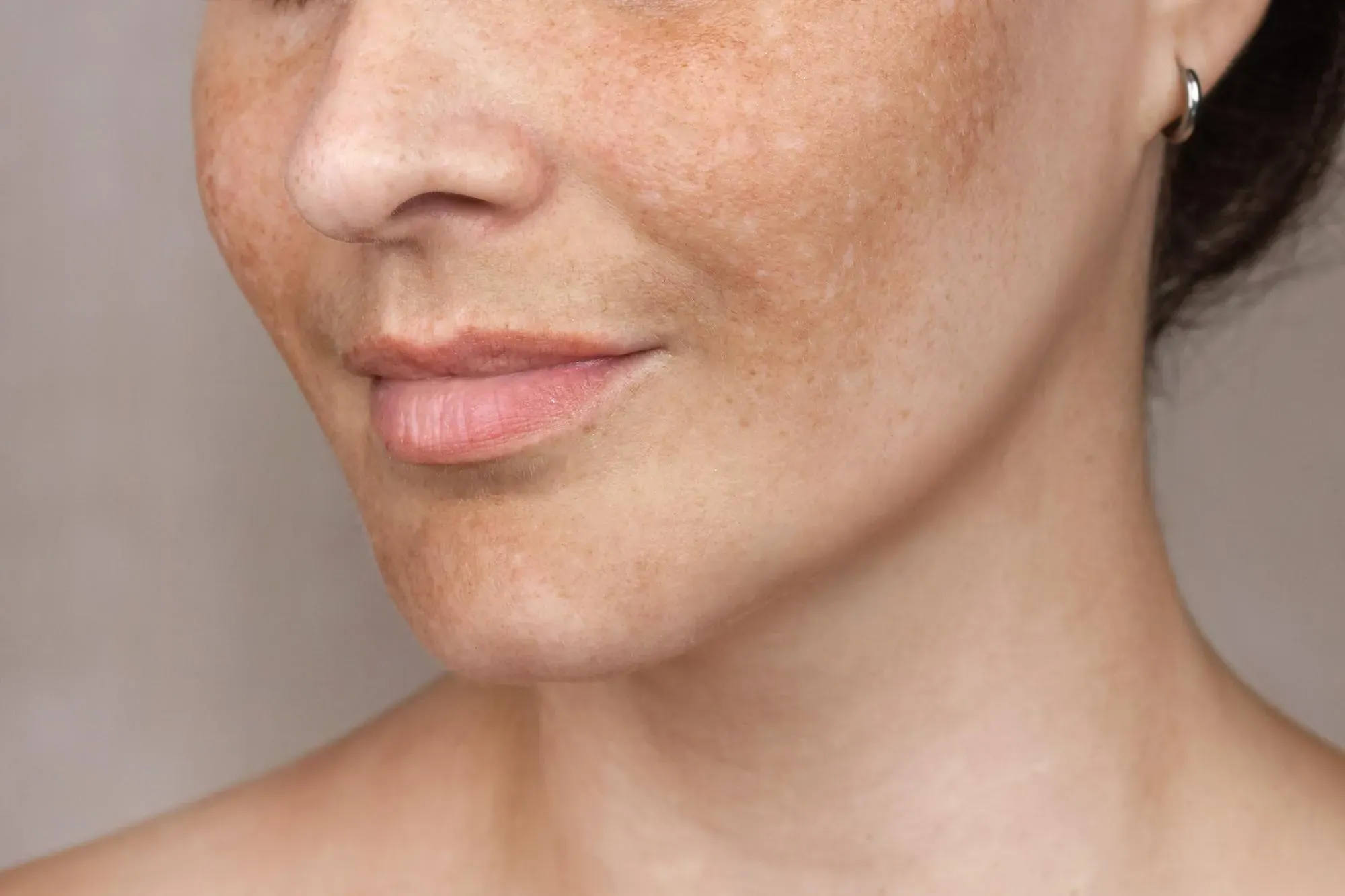

Pigmentation on Cheeks: Causes, Prevention, and Treatment Options
Author: Nulook ExpertiseReview by: NuLook Aesthetic DoctorsPigmentation on cheeks is one of the most common skin concerns faced by both men and women, especially in tropical climates and urban environments. Uneven skin tone, dark patches, or brownish spots appearing on the cheeks can affect overall facial harmony and confidence.
While often harmless, pigmentation on cheeks usually signals an imbalance in melanin production triggered by various internal and external factors.
Understanding the root cause is essential to choosing the right prevention strategy and treatment approach for clearer, more radiant skin. Let’s explore the tips here!
Causes of Pigmentation on Cheeks
Pigmentation does not appear overnight. It develops gradually as the skin responds to repeated exposure, inflammation, or hormonal changes. Below are the most common causes behind pigmentation on cheeks.
1. Prolonged Sun Exposure
Ultraviolet (UV) radiation is the leading cause of pigmentation on cheeks. When the skin is exposed to sunlight without adequate protection, melanocytes produce excess melanin as a defense mechanism.
Over time, this buildup becomes visible as dark patches, sunspots, or uneven tone, particularly on the cheek area which is constantly exposed.
2. Hormonal Changes
Hormonal fluctuations during pregnancy, menopause, or due to oral contraceptives can stimulate melanin overproduction. This condition often results in symmetrical pigmentation on cheeks, commonly known as melasma. Hormonal pigmentation tends to be more persistent and may worsen with sun exposure.
Read Also: 8 Differences between Hyperpigmentation and Hypopigmentation
3. Acne and Skin Inflammation
Post-inflammatory hyperpigmentation (PIH) occurs after acne, rashes, or skin irritation heal. The inflammation triggers excess melanin production, leaving dark marks behind. Cheeks are particularly prone to acne-related pigmentation due to frequent breakouts and friction.
4. Aging and Slower Skin Renewal
As the skin ages, cell turnover slows down. Dead skin cells containing excess pigment are not shed efficiently, causing pigmentation on cheeks to appear darker and more pronounced. Long-term sun exposure earlier in life often becomes more visible with age.
5. Genetics and Skin Type
Some individuals are genetically predisposed to pigmentation, especially those with medium to deeper skin tones. Genetic factors influence how the skin reacts to sun exposure, inflammation, and hormonal changes, increasing the likelihood of pigmentation on cheeks.
Types of Pigmentation on Cheeks
Not all pigmentation looks or behaves the same. Identifying the type of pigmentation is crucial for selecting the most effective treatment.
1. Melasma
Melasma appears as symmetrical brown or grayish patches, commonly found on both cheeks. It is strongly linked to hormonal changes and sun exposure. Melasma often penetrates deeper skin layers, making it more challenging to treat without professional intervention.
2. Post-Inflammatory Hyperpigmentation (PIH)
PIH develops after acne, allergic reactions, or cosmetic procedures. The pigmentation ranges from light brown to dark brown and usually follows the shape of the initial inflammation. While PIH may fade over time, improper skincare can prolong its appearance.
Read Also: Facial Skin Hyperpigmentation: Causes and How to Overcome It
3. Sun Spots (Solar Lentigines)
Sunspots are flat, darkened areas caused by cumulative UV exposure over the years. They are commonly associated with aging and often appear on the cheeks, forehead, and nose. Unlike melasma, sunspots are usually well-defined and easier to target with laser treatments.
4. Freckles (Ephelides)
Freckles are small brown spots that commonly appear on sun exposed skin, especially on the cheeks and upper lip. They occur when the body produces too much melanin in certain areas due to UV exposure and other factors like genetics.
Unlike age spots, freckles are usually lighter, more scattered, and can become more visible with sun exposure. Consistent sun protection and proper skin care help prevent freckles from becoming darker, especially in individuals with sensitive skin prone to pigmentation problems.
How to Prevent Pigmentation on Cheeks?
Prevention plays a vital role in controlling pigmentation on cheeks. Consistent habits can significantly reduce the risk of developing new dark spots.
1. Daily Sunscreen Use
Applying broad-spectrum sunscreen every morning is essential. Sunscreen protects the skin from UV rays that stimulate melanin production and worsen existing pigmentation. Reapplication is especially important during prolonged outdoor activities.
2. Gentle Skincare Routine
Using mild cleansers and appropriate skin care products helps maintain the skin barrier, especially for sensitive skin. Incorporating gentle exfoliants like alpha hydroxy acids or low concentrations of glycolic acid can support skin renewal without irritation. Avoid harsh scrubs or excessive exfoliation, as they can trigger inflammation and worsen pigmentation problems, including the appearance of brown spots on the cheeks.
3. Avoid Picking or Squeezing Acne
Touching or picking acne lesions increases inflammation and raises the risk of PIH. Allowing breakouts to heal naturally reduces the chances of pigmentation forming afterward.
4. Incorporate Antioxidants
Topical antioxidants such as vitamin C help neutralize free radicals, brighten the skin, and support even tone. Regular use can prevent pigmentation from becoming darker over time.
5. Consistent Skin Maintenance
Maintaining hydration, using barrier-repair products, and following a stable routine help keep the skin resilient against triggers that cause pigmentation on the cheeks.
Read Also: 5 How to Remove Textured Skin to Your Skin Smoother
Effective Treatments for Pigmentation on Cheeks
When pigmentation becomes stubborn or deeply rooted, professional treatments provide more noticeable and long-lasting results.
1. Topical Skincare Ingredients
Certain ingredients are known to reduce pigmentation by regulating melanin production and accelerating skin renewal. These include vitamin C, niacinamide, retinoids, alpha arbutin, and azelaic acid. While effective for mild pigmentation, results require consistency and patience.
2. Chemical Peels
Chemical peels work by exfoliating the upper layers of the skin, allowing pigmented cells to shed and revealing a brighter complexion underneath. Superficial to medium-depth peels are often recommended for pigmentation on cheeks caused by sun damage or acne marks.
3. Laser Skin Treatment
Laser treatments target pigmentation at its source by breaking down excess melanin beneath the skin surface. Advanced laser technology provides precise results with minimal damage to surrounding tissue, making it suitable for various types of pigmentation on cheeks.
4. Skin Booster Treatments
Skin booster treatments focus on improving overall skin quality while supporting pigmentation correction. By delivering hydrating and revitalizing ingredients directly into the deeper layers of the skin, skin boosters enhance skin brightness, elasticity, and smoothness.
When combined with laser or peel treatments, skin boosters help optimize results, speed up skin recovery, and promote a healthier, more radiant complexion.
For advanced solutions tailored to your skin needs, Nulook offers innovative treatments designed to address pigmentation safely and effectively.
Looking for an Effective Solution for Pigmentation on Cheeks?
If pigmentation on the cheeks does not improve with skincare alone, Pico Laser + Skin Booster Treatment at Nulook offers a clinically advanced and comprehensive solution.
Pico laser is an advanced hyperpigmentation treatment that targets dark spots and post-inflammatory hyperpigmentation using ultra-short laser pulses. This dark spot treatment helps treat hyperpigmentation effectively while keeping the skin smooth and healthy.
To enhance and prolong results, Pico Laser treatment at Nulook is combined with an advanced skin booster treatment designed to restore skin hydration and improve overall skin quality deeply.
Using premium formulas such as salmon DNA injection, this rejuvenating skin booster helps boost elasticity, smooth fine lines, support skin repair, and revitalize dull skin, resulting in a healthier, brighter, and more even-toned complexion.
Contact Nulook via WhatsApp today and book your Pico Laser Treatment Balir consultation to achieve clearer, brighter, and more even-toned skin with expert care.
References:
- Emc healthcare. Accessed in 2026. Entering 40 Years Old? This is what needs to be done to overcome skin pigmentation.
- Vujevich Dermatology Associates. Accessed in 2026. Dark Patches on Cheeks: What Could They Be From?.
