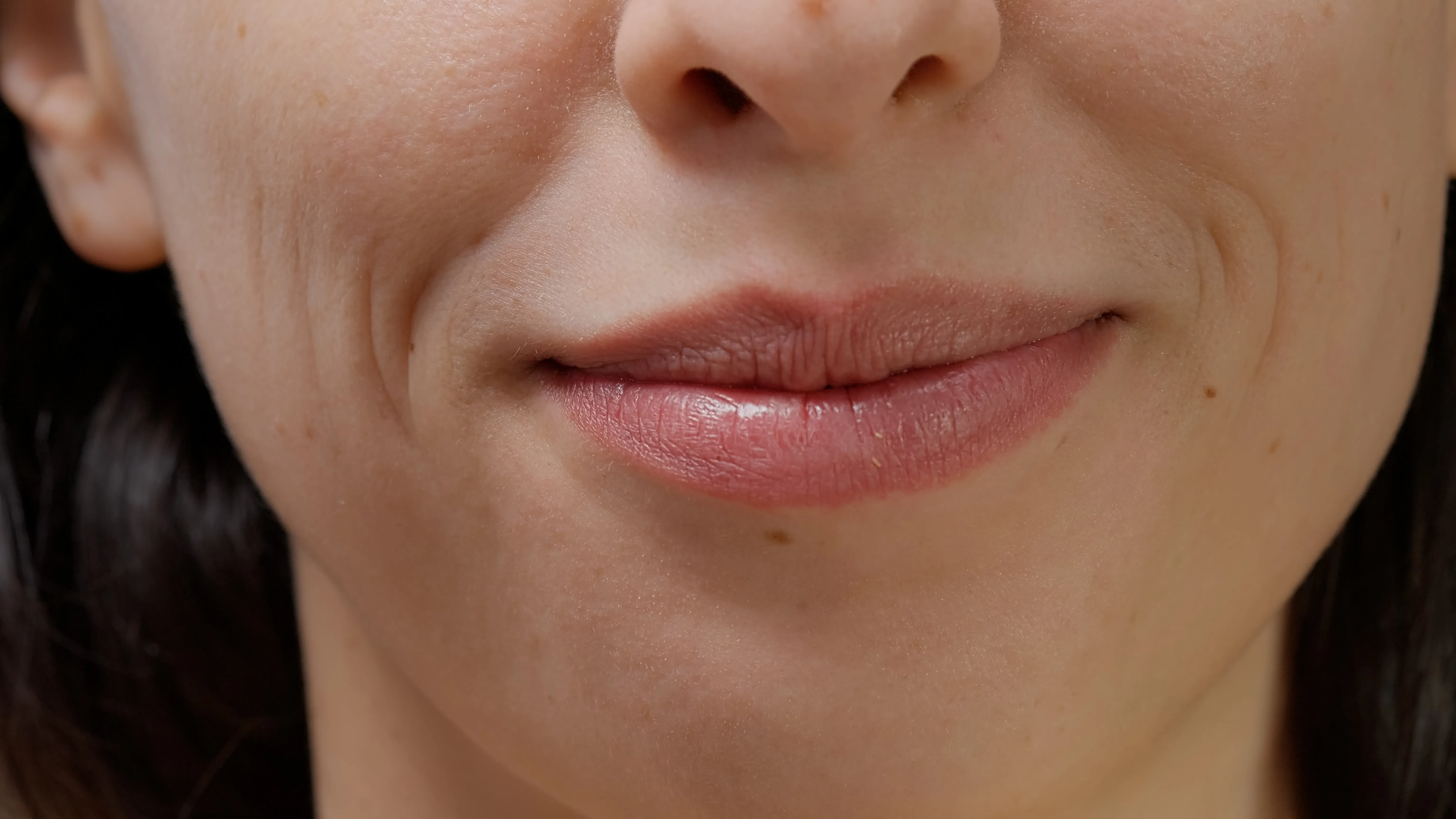

Nasolabial Folds Can Be Softened Without Changing Your Natural Expression
Author: Nulook ExpertiseReview by: NuLook Aesthetic DoctorsNasolabial folds can become more noticeable when the skin loses volume and support around the cheeks, creating deeper lines that run from the sides of the nose toward the corners of the mouth. While these lines are a normal part of facial anatomy, several approaches can help soften their appearance depending on their cause and severity.
The right approach is not always the same for everyone. This article explains what causes nasolabial folds and what can realistically help.
Read also: Understanding Dermal Fillers: Benefits, Types, and Procedures
What Are Nasolabial Folds?
Nasolabial folds, often called smile lines or laugh lines, are the natural creases that extend from the sides of the nose to the corners of the mouth. Everyone has them to some degree, especially when smiling.
They may become deeper or remain visible even when the face is at rest as the skin and underlying facial tissues change over time. For some people, the main issue is volume loss in the cheeks. For others, skin laxity or the downward movement of facial tissues plays a bigger role. That difference matters when choosing a treatment.
What Causes Smile Lines to Become More Noticeable?
A deeper smile line is rarely caused by just one factor. Several changes can happen at the same time, as explained below:
1. Loss of Facial Volume
The cheeks naturally lose volume with age. As the midface becomes less supported, the surrounding tissues may shift downward and make the nasolabial folds appear deeper.
2. Skin Aging
Over time, the skin becomes less firm and elastic. This can make existing facial creases more visible, particularly when the skin folds repeatedly during facial expressions.
3. Facial Structure
Some people naturally have more defined nasolabial folds because of their facial anatomy. Bone structure, cheek volume, and the way facial tissues sit can all affect how prominent these lines appear.
4. Repeated Facial Movement
Smiling, laughing, and speaking repeatedly fold the skin around the mouth. These movements are completely normal, but lines may become more noticeable as the skin loses some of its ability to bounce back.
5. Sun Exposure and Lifestyle Factors
Frequent sun exposure can contribute to visible signs of skin aging. Smoking and other lifestyle factors that affect skin quality may also make facial lines appear more pronounced over time.
Read also: 7 Causes of Premature Aging and How to Prevent Them
How to Reduce and Soften Nasolabial Folds
The best way to address nasolabial folds depends on whether the concern is mainly related to skin quality, volume loss, or sagging facial tissues. The following options can help at different levels:
1. Use Skincare Designed to Improve the Appearance of Fine Lines
For mild nasolabial folds, skincare can help improve the overall appearance of the skin around the mouth, although it cannot restore significant volume loss. Look for products formulated to support skin renewal and hydration, such as a retinoid-based serum or cream and a hydrating moisturizer.
2. Apply Sunscreen Every Day
Use a broad-spectrum SPF 30 or higher every morning, including around the cheeks and mouth where nasolabial folds are visible. Reapply throughout the day when spending extended time outdoors. Regular sun protection helps limit UV damage that can weaken skin quality and make existing lines more noticeable.
3. Keep Your Skin Well Hydrated
Apply a hydrating serum or moisturizer after cleansing to help maintain the skin's moisture barrier. Hydrated skin tends to look smoother and more supple, which can make fine lines less noticeable. This works best as part of a consistent routine rather than as a quick fix for deeper folds.
4. Facelift
A facelift may be considered when deeper nasolabial folds are related to significant skin laxity and downward movement of facial tissues. Rather than simply filling the crease itself, surgery can reposition and tighten underlying facial structures.
Because a facelift is a surgical procedure, candidacy should be evaluated carefully. The goal is to create a balanced improvement that suits the patient's facial anatomy rather than removing every natural facial line.
5. Dermal Filler
Dermal filler can add volume to selected areas of the face and may help soften the appearance of nasolabial folds. In some cases, treating the cheeks or surrounding areas provides better facial balance than placing volume directly into a deep fold.
The injection plan should be based on facial anatomy and the cause of the fold. Results and longevity vary depending on the individual and the treatment approach.
Read also: Anti-Aging Clinic Bali Consultation: What to Expect
Restore Facial Balance with a Personalized Approach at Nulook
Nasolabial folds often become more noticeable because of changes happening beyond the line itself. Addressing the cheeks, skin quality, or facial laxity may sometimes create a more balanced result than focusing only on the crease.
For patients looking for nasolabial folds treatment in Bali, Nulook offers different aesthetic approaches based on individual concerns, including treatments that support skin quality, restore facial volume, or address more significant facial laxity. This allows the treatment plan to match the actual cause of the concern rather than applying the same solution to every face.
As a Korea-inspired aesthetic clinic, Nulook combines attention to facial proportions with a focus on results that remain harmonious with your natural features. Treatment recommendations are tailored to the condition of your skin and facial structure, whether your concern involves early smile lines, volume loss, or more noticeable sagging.
Book an appointment at Nulook and take the next step toward a fresher, more balanced facial appearance with a treatment plan suited to your individual needs.
References:
- Cleveland Clinic. Accessed in 2026. Nasolabial Folds (Smile Lines): Causes & Treatment
- Medical News Today. Causes and treatments for nasolabial folds
- National Institutes of Medicine. Accessed in 2026. Why Do Nasolabial Folds Appear? Exploring the Anatomical Perspectives and the Role of Thread-Based Interventions
