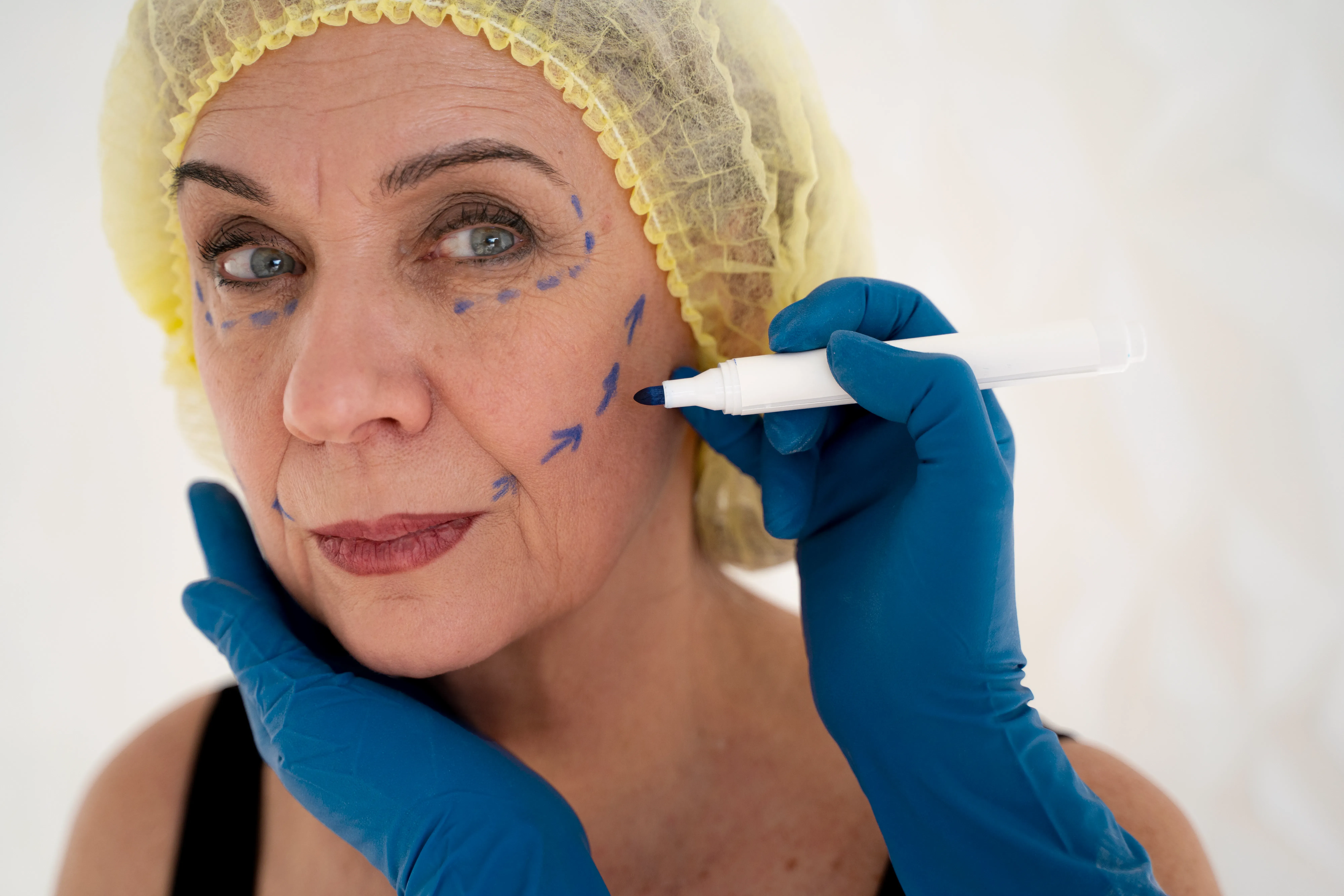

Mini Facelift Swelling: How Long It Lasts and What You Can Do to Recover Comfortably
Author: Nulook ExpertiseReview by: NuLook Aesthetic DoctorsMini facelift swelling is a normal part of the healing process and one of the most common concerns patients have after surgery. Although swelling can make your face feel tight or look uneven during the first few days, it gradually improves as your body recovers.
A smoother recovery starts with knowing what to expect instead of worrying about every change you see in the mirror. Keep reading this article to learn how long swelling usually lasts, practical ways to reduce it, and the results you can expect once healing is complete.
How Long Does Swelling Last After a Mini Facelift?
Swelling develops naturally after a mini facelift because your body sends extra blood and healing cells to the treated areas. Since the procedure involves lifting and repositioning facial tissues, temporary inflammation is expected even though a mini facelift is less invasive than a traditional facelift.
Most patients notice the most significant swelling during the first 48 to 72 hours after surgery. Around the end of the first week, the swelling typically begins to decrease, and many people feel comfortable returning to light daily activities within 10 to 14 days.
Even when the face already looks much better, minor swelling can still remain beneath the skin. This subtle swelling continues to improve over the next several weeks. In most cases, around 70% to 80% of the swelling resolves within one month, while the final refinement of facial contours may take three to six months, depending on individual healing.
Several factors influence recovery, including age, skin quality, overall health, smoking habits, and how closely patients follow their surgeon's post-operative instructions. Maintaining realistic expectations helps patients feel more confident throughout the healing journey.
Read also: Korean Jawline Surgery: The Secret to a Defined V-Line Look
How to Reduce Mini Facelift Swelling
Although swelling cannot be avoided completely, proper aftercare can significantly reduce its severity and help the healing process move more comfortably. The following tips can support a smoother recovery after a mini facelift:
1. Keep Your Head Elevated
Sleep with your head raised using two pillows or a wedge pillow during the first one to two weeks. Elevating your head encourages fluid drainage and reduces pressure around the surgical area, making swelling improve more efficiently. Avoid lying completely flat, especially during the first several nights after surgery, as this may increase facial swelling.
2. Apply Cold Compresses Carefully
Cold compresses can help minimize swelling during the first 24 to 48 hours after surgery. Always follow your surgeon's instructions regarding where and how long the compress should be applied. Do not place ice directly on the skin. Wrapping the cold pack in a clean cloth protects the surgical area while still providing relief.
3. Follow Your Surgeon's Medication Instructions
Your surgeon may prescribe medications to control discomfort, reduce inflammation, and lower the risk of infection. Taking these medications exactly as directed supports proper healing and helps prevent unnecessary complications. Avoid taking additional medications or supplements without medical approval, as some products may increase bruising or interfere with recovery.
4. Limit Physical Activity
Light walking is encouraged because it supports healthy circulation, but strenuous exercise should be avoided during the early recovery period. Heavy lifting, bending over, and intense workouts can increase blood pressure and worsen swelling. Your surgeon will let you know when it is safe to gradually resume your regular fitness routine.
5. Stay Hydrated and Eat Nutritious Foods
Drinking enough water supports your body's natural healing process and helps reduce fluid retention. A balanced diet rich in lean protein, vegetables, fruits, and vitamins also provides the nutrients your tissues need to recover. Limiting salty foods during the first few weeks may help minimize additional swelling.
6. Avoid Smoking and Alcohol
Smoking restricts blood circulation and slows tissue healing, increasing the risk of complications. Alcohol may also contribute to dehydration and prolonged swelling during recovery. Avoiding both gives your body the best opportunity to heal efficiently and achieve optimal surgical results.
7. Be Patient With the Healing Process
Many patients become concerned when swelling seems to fluctuate from day to day. This is completely normal because healing happens gradually rather than all at once. Continue attending your follow-up appointments so your surgeon can monitor your progress and ensure recovery is moving as expected.
Read also: Is a Forehead Lift the Right Move for a Smoother, Refreshed Look?
Results You Can Expect After Recovery Is Complete
As swelling continues to resolve, the improvements from your mini facelift become increasingly noticeable. Below are some of the changes many patients experience after completing the healing process:
1. A More Defined Jawline
One of the most noticeable improvements is a sharper, more youthful jawline. Lifting loose skin helps restore better facial definition while reducing the appearance of early jowls. The result looks refreshed instead of dramatically altered, allowing your natural facial features to remain recognizable.
2. Firmer Skin Around the Lower Face
Skin that previously appeared loose or sagging becomes tighter and smoother after healing. This creates a healthier, more rested appearance without making the face look overly stretched. Because only excess skin is removed while underlying tissues are repositioned, the final result appears balanced and natural.
3. Softer Appearance of Fine Lines and Wrinkles
A mini facelift primarily targets skin laxity, but many patients also notice that fine lines around the lower face become less visible. The smoother skin surface contributes to a younger overall appearance. While deep wrinkles may still benefit from additional aesthetic treatments, facial rejuvenation becomes much more noticeable after surgery.
4. Minimal Visible Scarring
The incisions are carefully placed along the hairline and around the ears, allowing scars to remain well concealed after healing. As time passes, these scars usually fade and become increasingly difficult to notice. Following proper scar care recommendations also supports better cosmetic outcomes.
5. Natural-Looking Facial Rejuvenation
Perhaps the greatest benefit of a mini facelift is that people often notice you look fresher rather than noticing you had surgery. The procedure enhances your natural appearance instead of creating an exaggerated or overly tight look. With proper skin care and a healthy lifestyle, these improvements can be maintained for many years.
When Does the Face Stop Feeling Tight After a Facelift?
A feeling of tightness is completely normal after a mini facelift. Since the skin and underlying tissues have been lifted and repositioned, the face may initially feel firm or slightly stiff, especially when smiling, chewing, or making certain facial expressions.
Most patients notice this sensation becoming much more comfortable within four to six weeks as swelling decreases and tissues begin adapting to their new position. For some individuals, mild tightness may continue for several months while internal healing progresses.
This does not usually indicate a problem. Instead, it reflects the normal recovery process. As healing continues, facial movement gradually feels more natural while the rejuvenated contours become fully visible.
Read also: 4 Ways to Tighten Sagging Cheeks
Experience Natural Facial Rejuvenation With a Personalized Mini Facelift
Mini facelift swelling is a temporary stage that gradually improves with proper care and patience. While the first few weeks require time for healing, the long-term results often include firmer skin, a better-defined jawline, and a naturally refreshed appearance with minimal downtime compared to a traditional facelift.
If you are considering a Mini Facelift, choosing an experienced aesthetic clinic is just as important as the procedure itself. At Nulook, every treatment begins with a thorough consultation to understand your facial anatomy, concerns, and aesthetic goals.
Our experienced medical team focuses on achieving balanced, natural-looking results using advanced techniques, while prioritizing patient safety and comfort throughout every stage of treatment.
Book an appointment today and and begin your treatment with a trusted aesthetic team focused on delivering refined, natural-looking outcomes.
References:
- Dr, Jeremy Hunt Plastic Surgeon. Accessed in 2026. How Long Does It Take to Look Normal After A Mini Facelift.
- Dr. Dominic Bray. Accessed in 2026. Stages of Facelift Recovery: Timeline.
