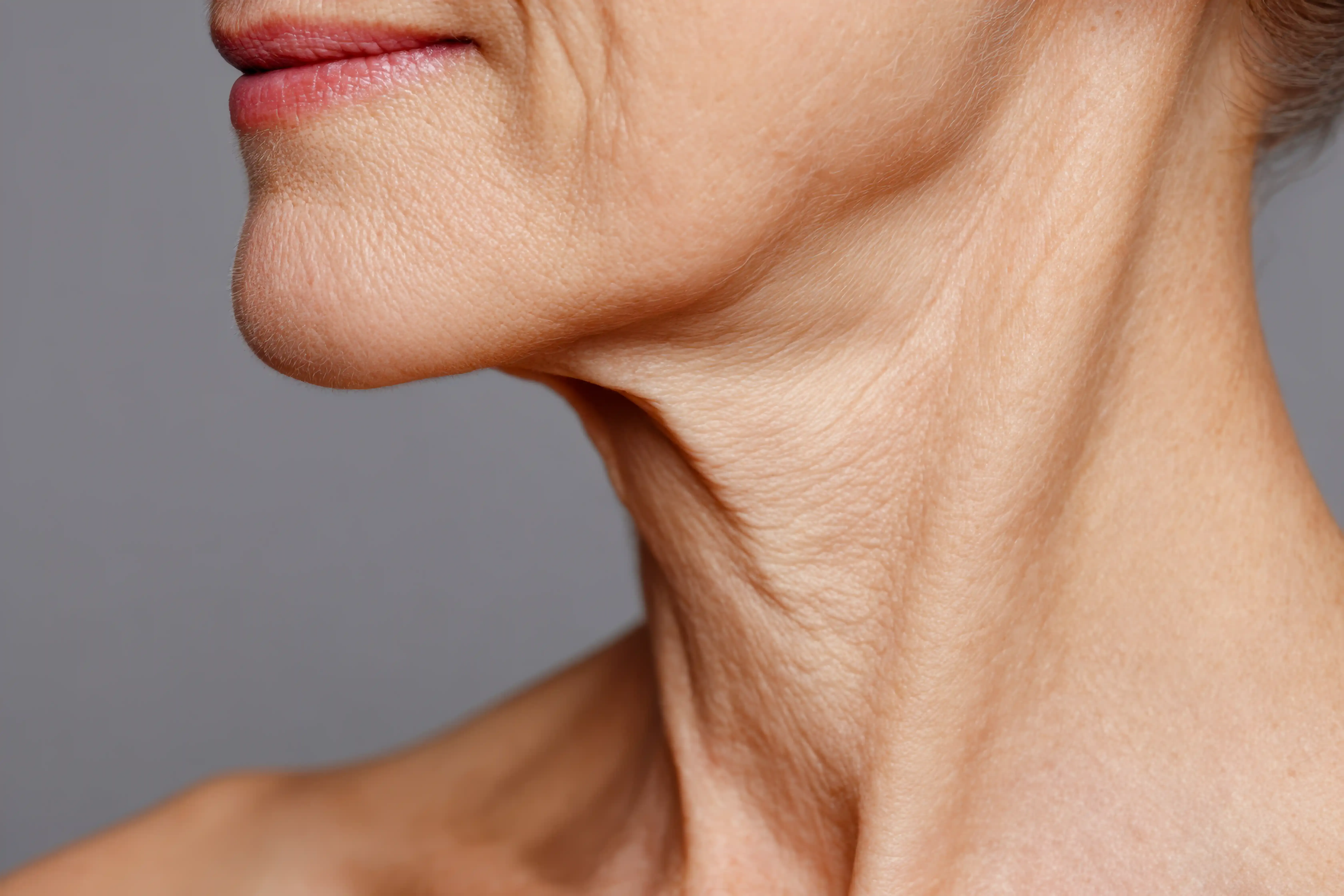

Lower Facelift: A Natural Way to Restore a Firmer, Younger-Looking Face
Author: Nulook ExpertiseReview by: NuLook Aesthetic DoctorsA lower facelift is one of the most effective cosmetic procedures for improving visible signs of aging around the jawline, cheeks, and neck. As skin gradually loses collagen and elasticity, these areas can begin to sag, creating jowls, deeper folds, and loose skin that make the face appear older than it feels.
Unlike treatments that only target the skin's surface, a lower facelift addresses the deeper facial structures responsible for age-related sagging. This article explains how the procedure works, its benefits, what to expect during recovery, and how to achieve natural-looking results.
Read also: Face Contouring Treatments and Benefit, Achieve a Naturally Youthful Look!
What Is a Lower Facelift?
A lower facelift is a cosmetic surgical procedure that focuses on rejuvenating the lower third of the face, including the cheeks, jawline, and neck. The goal is not to completely change your appearance but to restore facial definition that has gradually diminished with age.
As people grow older, collagen production slows, facial fat shifts downward, and the skin becomes less elastic. These changes often lead to jowls, sagging skin, deeper smile lines, and a less defined jawline. A lower facelift is designed to correct these concerns by repositioning deeper facial tissues and removing excess skin, creating a smoother and firmer appearance while preserving your natural facial expressions.
Because modern facelift techniques focus on structural support rather than simply tightening the skin, the results typically appear refreshed instead of overly pulled or unnatural.
How Does a Lower Facelift Work?
Every lower facelift is carefully planned to restore facial harmony while maintaining each patient's natural features. Although surgical techniques may vary depending on individual anatomy, the procedure generally follows several important steps:
1. Facial Assessment and Surgical Planning
Every successful lower facelift begins with a detailed facial evaluation. The surgeon examines skin laxity, facial volume, muscle support, and overall facial proportions to determine the most appropriate surgical approach.
Rather than focusing on one wrinkle or one area of loose skin, the treatment plan considers how different parts of the face work together. This allows the final result to look balanced instead of overcorrected.
2. Repositioning the SMAS Layer
Modern lower facelifts focus on the Superficial Musculoaponeurotic System (SMAS), a deeper layer of tissue that provides structural support to the face. Instead of simply pulling the skin tighter, the surgeon carefully lifts and repositions this layer to restore youthful facial contours.
Addressing the deeper tissues creates longer-lasting support while reducing the risk of an overly tight appearance. This is one of the biggest differences between modern facelift techniques and older methods.
3. Removing Excess Skin and Refining Facial Contours
After the deeper tissues have been repositioned, excess skin is carefully removed without placing unnecessary tension on the incision. This helps smooth wrinkles, redefine the jawline, and improve loose skin around the neck.
The incisions are typically placed around the ears and hairline so they remain as discreet as possible once healed. The goal is to achieve noticeable rejuvenation while keeping visible scarring to a minimum.
4. Healing and Gradual Improvement
Although changes are visible immediately after surgery, swelling is a normal part of recovery. As the swelling gradually subsides over the following weeks, facial contours become more refined and natural.
Most patients continue seeing improvement for several months as the tissues settle and scars mature. The final outcome reflects a younger version of your natural appearance rather than a completely different face.
Benefits of a Lower Facelift
A lower facelift addresses several signs of aging simultaneously, making it one of the most comprehensive facial rejuvenation procedures available. Rather than improving only one concern, it restores harmony across the lower face and neck:
1. Creates a More Defined Jawline
One of the most noticeable benefits of a lower facelift is the improvement of jawline definition. By repositioning deeper facial tissues and reducing sagging skin, the procedure creates a cleaner and more sculpted facial profile. This improvement often restores facial balance without making the results appear artificial or exaggerated.
2. Reduces Jowls and Sagging Skin
As facial tissues descend with age, jowls become increasingly prominent. A lower facelift lifts these tissues back to a more youthful position, reducing heaviness around the lower cheeks and jawline. The improvement helps the face appear firmer while maintaining natural movement during smiling and speaking.
3. Softens Deep Facial Folds
Lower facelifts can significantly improve nasolabial folds and marionette lines by restoring support beneath the skin. Rather than simply stretching wrinkles, the procedure addresses the structural changes contributing to their appearance. This creates smoother facial contours while preserving natural facial expressions.
4. Improves the Appearance of the Neck
Aging often affects the neck as much as the face. Loose skin and visible muscle bands can make the neck appear older even when other facial features remain youthful. Because a lower facelift commonly includes treatment around the neck, patients often notice a smoother transition between the jawline and neck after recovery.
5. Provides Long-Lasting, Natural Results
Unlike temporary treatments that require regular maintenance, a lower facelift offers long-lasting facial rejuvenation. While it cannot stop the natural aging process, it effectively turns back many of the visible changes that have already occurred.
Since modern techniques focus on repositioning deeper tissues rather than simply tightening skin, the final appearance is typically refreshed, rested, and naturally youthful.
What Should You Do During Recovery for the Best Results?
Recovery is an important part of every lower facelift. While the body needs time to heal, following your surgeon's instructions can help reduce swelling, support proper tissue healing, and optimize the final result.
During the recovery period, remember to:
- Sleep with your head elevated for the first one to two weeks to help minimize swelling.
- Take all prescribed medications exactly as directed.
- Apply cold compresses only if recommended by your surgeon.
- Keep the incision area clean and dry to reduce the risk of infection.
- Avoid smoking and alcohol, as both can interfere with the healing process.
- Refrain from strenuous exercise, heavy lifting, and activities that increase blood pressure for several weeks.
- Eat a balanced diet rich in protein, vitamins, and hydration to support tissue repair.
- Protect healing skin from direct sun exposure and wear sunscreen.
- Avoid pulling, rubbing, or placing unnecessary pressure on the incision sites.
- Attend every scheduled follow-up appointment so your recovery can be monitored appropriately.
Read also: Mini Facelift for Jowls: Benefits, Procedure, & Recovery
A Refreshed Appearance Starts with the Right Approach
A lower facelift is not about looking like someone else. It is about restoring the facial definition that naturally changes over time while preserving the expressions and features that make you unique. By addressing the deeper causes of facial sagging, the procedure creates balanced, long-lasting improvements that continue to look natural as you heal.
For patients seeking comprehensive facial rejuvenation, Facelift Bali at Nulook combines advanced surgical techniques with a personalized approach to facial aesthetics. Modern SMAS-based facelift procedures are designed to reposition underlying tissues, redefine the jawline, lift sagging cheeks, smooth the neck, and reduce excess skin without creating an overly tight appearance.
A well-performed facelift should leave people noticing that you look healthier and more refreshed, not that you've had surgery. At Nulook, every treatment focuses on achieving refined, natural-looking results that complement your facial structure and age gracefully over time.
If you're ready to restore youthful facial contours with confidence, book an appointment and we will help you achieve a naturally refreshed appearance.
References:
- New York Facial Plastic Surgery. Accessed in 2026. Best Lower Facelift Results in New York.
- Dr. Dominic Bray. Accessed in 2026. Lower Face Lift.
- Glanis Plastic Surgery. Accessed in 2026. What to Know Before a Lower Face and Neck Lift.
