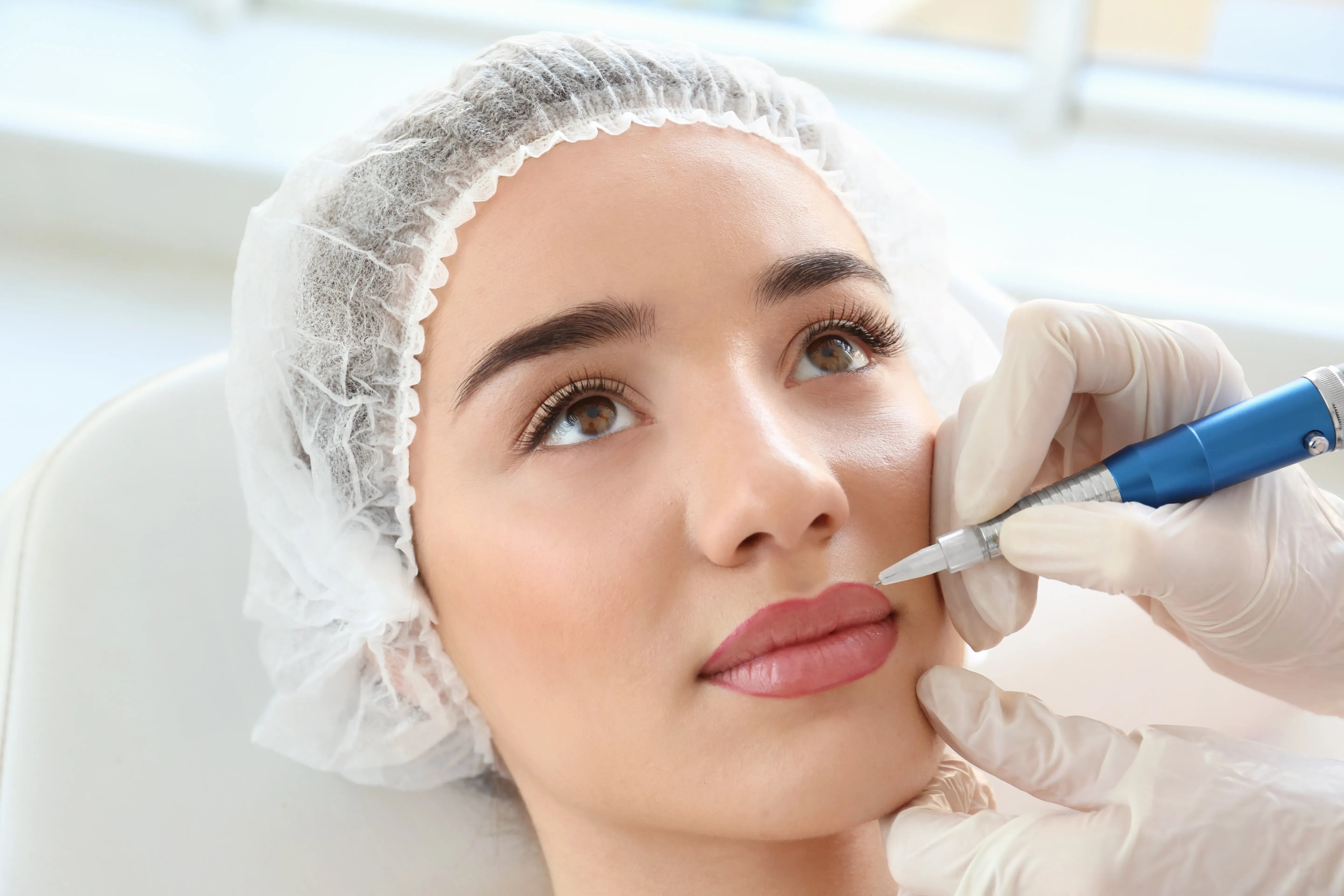

A Complete Guide to Achieving Better Lip Shape and Balance with Lip Plasty
Author: Nulook ExpertiseReview by: NuLook Aesthetic DoctorsLip plasty is a cosmetic procedure designed to improve the shape, size, or proportion of the lips according to a person's facial features and aesthetic goals. Whether the concern is naturally uneven lips, excessive lip volume, or changes caused by aging, lip plasty offers a long-lasting solution with customized results.
Understanding what lip plasty can address, how the procedure is performed, and what recovery looks like can help you make a more informed decision. This guide explains everything you need to know before considering treatment.
Read also: Korean Lip Filler: Rahasia Bibir Plumpy & Tampak Natural
What Concerns Can Lip Plasty Address?
Every person's lips have unique characteristics. While some people are satisfied with their natural appearance, others may feel that their lips affect the overall balance of their face. Lip plasty is tailored to address these concerns while preserving natural-looking facial harmony.
Some of the most common concerns include:
- Lips that appear too large or disproportionately full.
- Uneven upper and lower lips.
- Asymmetrical lip shape caused by genetics or previous procedures.
- Elongated upper lips that make the lips appear thinner.
- Age-related changes that reduce lip definition.
- Lip deformities resulting from injury or congenital conditions.
Rather than creating a standard lip shape, lip plasty is planned according to each patient's facial proportions. The goal is to improve balance while maintaining expressions that look natural from every angle.
How Does the Lip Plasty Procedure Work?
The exact technique depends on the patient's anatomy and treatment goals. Before the procedure begins, your surgeon will carefully evaluate your facial structure, discuss your expectations, and recommend the most appropriate surgical approach:
1. Comprehensive Consultation and Treatment Planning
Every lip plasty begins with a detailed consultation. During this stage, the surgeon examines lip symmetry, volume, facial proportions, skin elasticity, and overall facial balance. Medical history and previous cosmetic treatments are also reviewed to ensure the procedure can be performed safely.
This consultation is equally important for discussing realistic expectations. A personalized treatment plan helps ensure that the final result complements your natural facial features instead of appearing overcorrected.
2. Surgical Procedure
Lip plasty is typically performed under local anesthesia, although sedation may be recommended for certain cases. The surgical technique varies depending on the desired outcome.
For patients seeking smaller lips, excess tissue may be carefully removed from the inner portion of the lips to reduce volume while minimizing visible scarring. When correcting asymmetry, precise adjustments are made to create better balance between both sides.
If the concern involves an elongated upper lip, a lip lift technique may be recommended to shorten the distance between the nose and upper lip, creating greater lip definition. Throughout the procedure, the surgeon carefully preserves the natural contour of the lips to maintain facial harmony.
3. Closing the Incisions and Initial Recovery
Once the desired correction has been completed, the incisions are closed using fine sutures designed to support proper healing. Most procedures are completed within one to two hours, depending on the complexity of the case.
Patients are usually able to return home on the same day after receiving detailed aftercare instructions. Temporary swelling is expected immediately after surgery and gradually improves over the following days.
Read also: 5 Food Restrictions After Plastic Surgery
Aftercare and Recovery Following Lip Plasty
Proper aftercare plays an important role in achieving the best possible outcome. While recovery is generally straightforward, following your surgeon's recommendations helps reduce discomfort and supports optimal healing:
1. Expect Temporary Swelling and Bruising
Swelling and mild bruising are normal during the first several days after lip plasty. These symptoms gradually improve as the tissues heal. Applying cold compresses according to your surgeon's instructions may help minimize swelling during the early recovery period. Although the lips may initially appear larger due to swelling, this does not represent the final result.
2. Follow Your Medication Schedule
Your surgeon may prescribe antibiotics, pain medication, or anti-inflammatory medications to reduce discomfort and lower the risk of infection. Taking medications exactly as directed supports a smoother recovery and helps prevent unnecessary complications. Avoid taking additional medications or supplements without consulting your surgeon first, as some products may increase bleeding.
3. Eat Soft Foods During the Early Healing Period
For the first few days, choose soft foods that require minimal chewing. This helps reduce unnecessary movement of the lips while the incisions begin to heal. Patients are also encouraged to stay hydrated and avoid foods that are excessively hot, spicy, or acidic, as they may cause irritation around the surgical area.
4. Keep the Surgical Area Clean
Maintaining good oral hygiene is essential after lip plasty. Your surgeon may recommend a specific mouth rinse or cleaning routine to help prevent infection while protecting the healing tissues. Avoid touching the incision area unnecessarily, and always wash your hands before performing any recommended wound care.
5. Avoid Activities That Increase Pressure on the Lips
Strenuous exercise, smoking, excessive facial movements, and activities that place pressure on the lips should be avoided during the initial recovery period. These activities can interfere with healing and increase swelling. Giving your body enough time to recover allows the tissues to heal more predictably and comfortably.
6. Attend Every Follow-Up Appointment
Follow-up visits allow your surgeon to monitor your healing progress and ensure that recovery is proceeding as expected. If any concerns arise during the healing process, they can be addressed promptly before they develop into larger issues.
Read also: Understanding Plastic Surgery vs Cosmetic Surgery and Choosing the Right Path for You
Achieve Natural-Looking Results with Personalized Care
Lip plasty can improve lip shape, symmetry, and overall facial balance when performed with careful planning and appropriate surgical techniques. Because every patient's facial anatomy is different, treatment should always be personalized to create results that enhance natural features rather than dramatically change them.
If you are considering surgical lip enhancement, choosing an experienced aesthetic clinic is just as important as selecting the right procedure. Lip Lift at Nulook, every treatment plan is developed based on your facial proportions, aesthetic goals, and long-term satisfaction.
Nulook combines experienced medical professionals, advanced surgical techniques, and individualized consultations to help patients achieve refined, natural-looking outcomes in a safe and comfortable environment.
Book an appointment today and receive a personalized consultation to discover the most suitable approach for your facial aesthetics.
Reference:
- Serdev Clinic. Accessed in 2026. Permanent Lip Augmentation.
- GBA London. Accessed in 2026. Can a V-Y Plasty Lift The Lip?
- PubMed National Library of Medicine. Accessed in 2026. Upper lip plasty by Karapandzic: modifications of the method.
