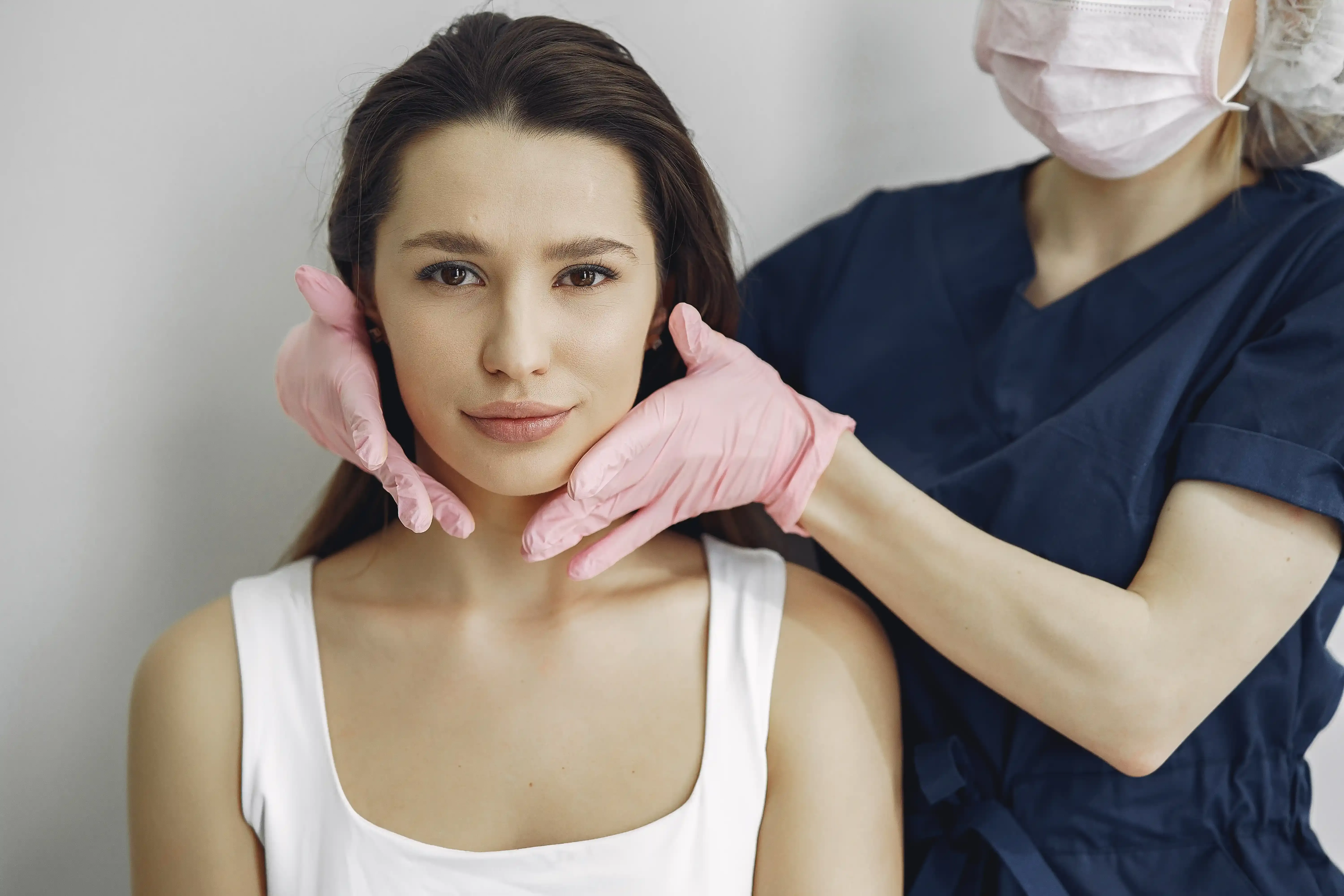

Jawline Tightening Surgery: What It Can and Cannot Fix
Author: Nulook ExpertiseReview by: NuLook Aesthetic DoctorsA softer jawline can change the balance of the entire face. Jawline tightening surgery is usually considered when jowls, loose skin, or neck laxity blur the border between the face and neck, making the lower face appear heavier or older.
The phrase does not refer to one standard operation. The right procedure depends on whether the concern comes from sagging tissue, excess fat, separated neck muscles, or the shape of the chin and jawbone. This article explains those differences, the main surgical options, and what recovery involves.
What Is Jawline Tightening Surgery?
Jawline tightening surgery is an informal term for cosmetic operations that improve definition along the lower face, chin, and upper neck. A lower facelift may reposition jowls, while a neck lift can remove loose skin and tighten the platysma muscle. Liposuction may be added when localized fat is hiding an otherwise firm jawline.
The distinction matters because each operation treats a different anatomical problem. Removing fat will not correct substantial loose skin, and tightening facial tissue will not create stronger chin projection. Some patients therefore need a combined procedure to produce a balanced jaw-to-neck angle.
Read also: Korean Jawline Surgery: The Secret to a Defined V-Line Look
Why Does the Jawline Lose Definition?
A blurred jawline is not always caused by body weight. Aging, inherited anatomy, tissue changes, and previous weight loss can affect the lower face in different ways. Here’s the explanation:
1. Loose Skin and Reduced Elasticity
Collagen and elastin decline over time, leaving the skin less able to hold its earlier position. When tissue begins to fold or hang along the lower jaw, surgery may offer more meaningful correction than treatments intended only to improve surface firmness.
2. Jowls From Descending Facial Tissue
Jowls form when facial fat and deeper supporting tissues shift toward the jaw. A lower facelift can reposition these structures instead of pulling the skin alone, helping restore definition without producing a stretched appearance.
3. Fat Beneath the Chin
Submental fat can hide the angle between the chin and neck, even at a stable body weight. Liposuction may help when the skin remains firm, but removing fat alone can make existing laxity more visible in patients with loose skin.
4. Platysma Muscle Banding
The platysma is a thin muscle that extends across the neck and can form visible vertical bands as its edges separate. Platysmaplasty repairs or tightens this muscle, providing firmer support beneath the jawline.
5. Limited Chin or Jaw Projection
Some jawlines lack definition because the chin is small or set back rather than because the skin is loose. Chin augmentation or genioplasty can strengthen skeletal projection, but neither procedure tightens jowls or removes excess neck skin.
Read also: Mini Facelift for Jowls: Benefits, Procedure, & Recovery
Which Surgical Procedure Can Tighten the Jawline?
The suitable technique depends on what is causing the loss of definition. Skin, fat, muscle, facial tissue, chin position, and neck contour should be considered together before an operation is selected:
1. Lower Facelift
A lower facelift targets the jowls, lower cheeks, and jawline by repositioning deeper supporting tissue through incisions around the ears and hairline. It is generally more appropriate for moderate or advanced sagging than for isolated fat beneath the chin.
Unlike a skin-only lift, modern facelift techniques may work on the deeper facial layers to provide structural support. Excess skin is removed only after the underlying tissues have been repositioned.
2. Neck Lift
A neck lift treats loose neck skin, visible muscle bands, and fullness that weakens the jaw-to-neck angle. The procedure may involve tightening the platysma, refining fat, repositioning underlying tissue, and removing excess skin.
It is often paired with a lower facelift because facial and neck aging commonly occur together. Treating both areas can prevent a visible mismatch between a tighter jawline and a lax neck.
3. Liposuction
Liposuction removes localized fat beneath the chin and along the upper neck. It works best for patients with firm skin, little sagging, and a jawline that is mainly hidden by excess fat.
Recovery is generally shorter than recovery from a facelift or neck lift. However, liposuction cannot reposition jowls, remove substantial loose skin, or repair separated neck muscles.
How Is Lower Face and Neck Surgery Performed?
Incisions are commonly placed around the natural contours of the ear and hairline. A small incision beneath the chin may also be needed to remove fat, repair the platysma muscle, or improve the upper-neck contour.
The surgeon then lifts or repositions the deeper facial layer, often called the superficial musculoaponeurotic system or SMAS. Fat may be removed or redistributed, the neck muscle may be tightened, and the skin is placed over the corrected structure without excessive tension. Any extra skin is trimmed before the incisions are closed.
This deeper correction is intended to support the jawline rather than relying on tight surface skin alone. The exact incision pattern and surgical technique vary according to the amount of sagging, the condition of the neck, and the areas that need correction.
Read also: Mini Facelift Recovery Timeline & Expected Results
Recovery and Results: What Should You Expect?
Swelling, bruising, tightness, and temporary numbness are common after lower-face or neck surgery. Many patients need around two weeks before returning comfortably to public-facing work, although healing varies according to the extent of surgery and the individual.
The jawline becomes easier to evaluate as swelling decreases, while the tissues and incision lines may continue settling for several months.
During early recovery:
- Keep your head elevated while resting and sleeping.
- Avoid bending, heavy lifting, and strenuous exercise.
- Take prescribed medication exactly as directed.
- Keep the incisions clean and follow wound-care instructions.
- Do not smoke, as nicotine can impair blood flow and healing.
- Protect healing scars from direct sun exposure.
- Do not press, massage, or pull the treated area unless instructed.
- Seek medical help for sudden swelling, severe pain, fever, drainage, or breathing difficulty.
Jawline tightening surgery can provide a long-lasting improvement, but it cannot stop future aging. It also does not correct concerns such as pigmentation, sun damage, very fine surface lines, or irregular skin texture.
A Defined Jawline Should Still Look Like Yours
Jawline tightening surgery works best when the operation matches the actual cause of poor definition. A lower facelift can reposition jowls, a neck lift can tighten loose skin and muscle, liposuction can remove localized fat, and chin surgery can improve skeletal projection. The aim is not simply to make the jaw sharper, but to restore proportion without erasing recognizable features.
For concerns caused by lower-face sagging and jowls, Facelift Bali at Nulook offers an approach that works beneath the skin rather than stretching the surface. Nulook’s facelift procedure focuses on repositioning the SMAS layer, refining the jawline, lifting descended tissue, and addressing loose skin across the lower face and neck when necessary.
Nulook brings a Korean aesthetic perspective to Bali, supported by doctors who receive direct training in Korea from experienced mentors. That background is applied with close attention to facial anatomy, measured correction, and results suited to each patient’s existing features.
Book an appointment at Nulook to find the surgical approach that fits the structure of your face rather than a generic idea of a perfect jawline.
References:
- Healthline. Accessed in 2026. Surgery for Jawline: Procedure, Cost, and What to Expect.
- The Virginia Institute for Surgical Arts. Accessed in 2026. Jawline Reduction Northern Virginia.
- Dr. TIna Ho MD. Accessed in 2026. Expert Guide to a “Snatched” Jawline.
