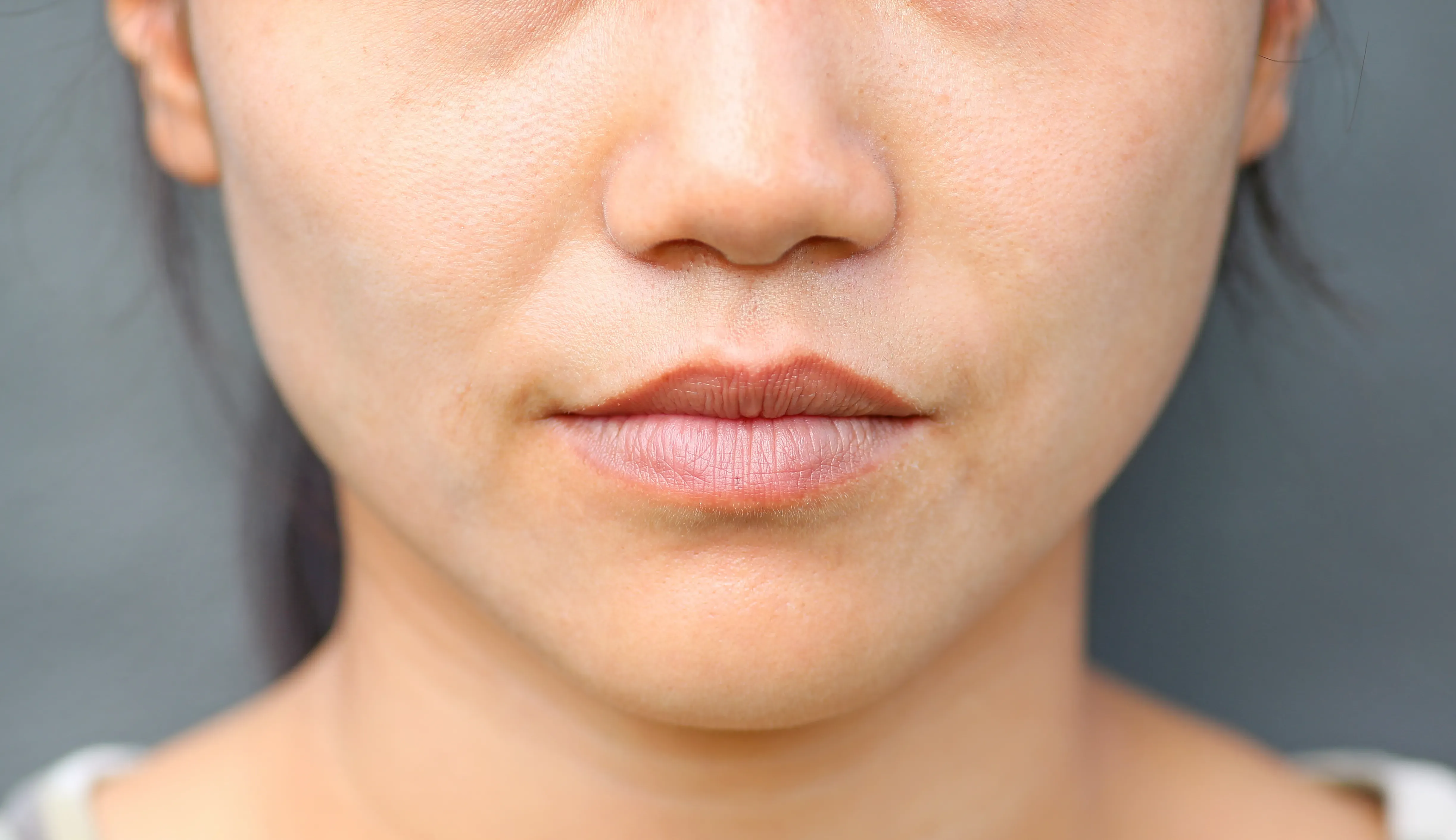

Causes of Hollow Cheeks and How to Restore Lost Facial Volume
Author: Nulook ExpertiseReview by: NuLook Aesthetic DoctorsHollow cheeks can make the face look thinner, more tired, or older than expected. This appearance often develops when facial fat decreases with age, after significant weight loss, or because of genetics. When volume loss is the main concern, restoring support in the cheek area can make the face look fuller while maintaining its natural proportions.
The right solution depends on why your cheeks look hollow and how much volume has been lost. This article explains the common causes of hollow cheeks, practical ways to manage them, and which aesthetic treatments may be worth considering.
Read also: Preventing Premature Aging: Here's 5 Simple Tips for You
Causes of Hollow Cheeks
Hollow cheeks are not always caused by aging alone. Facial structure, body weight, genetics, and changes in the tissues beneath the skin can all affect how much volume the cheeks appear to have. These are some of the most common reasons:
1. Age-Related Facial Volume Loss
As you age, the amount and distribution of fat beneath the skin can change. Some areas lose volume while others may become more prominent, making the cheeks look flatter or more sunken. Changes in the skin, facial bones, and supporting tissues can add to this effect.
2. Genetics and Natural Facial Structure
Some people naturally have less cheek fat or more prominent cheekbones, which can create a hollow appearance even when the skin is healthy. In these cases, hollow cheeks may be part of your facial structure rather than a sign of premature aging.
3. Significant Weight Loss
Losing a substantial amount of weight can reduce fat throughout the body, including the face. Rapid weight loss may make the cheeks look sunken and can also leave the skin looking looser, particularly when the change happens quickly.
4. Loss of Skin Support
A reduction in collagen and elastin can make aging skin thinner and less resilient. When this happens alongside facial volume loss, the cheeks may appear less supported and the transition between the cheeks, under-eye area, and lower face can become more noticeable.
Read also: Signs of Premature Aging and How to Prevent It
How to Address Hollow Cheeks
When hollowing is mild, protecting your skin and maintaining a stable weight can help preserve your existing facial volume and skin quality. The following options address different aspects of cheek hollowing:
1. Use a Moisturizer and Retinoid at Night
Apply a moisturizer after cleansing to keep the skin comfortable and reduce dryness that can make fine lines more visible. If your skin tolerates it, a retinoid such as retinol can be introduced gradually at night to support overall skin quality and collagen production. This will not replace lost cheek fat, but it can help the skin look smoother and more resilient.
2. Apply Sunscreen Every Morning
Use a broad-spectrum SPF 30 or higher every morning across the face, including the cheeks, and reapply when you are outdoors for extended periods. UV exposure contributes to collagen and elastin damage, so consistent sunscreen use helps protect the skin supporting the cheek area.
3. Maintain a Stable, Healthy Weight
Avoid repeated cycles of rapid weight loss and regain when possible, as major changes in body weight can also affect facial volume. Focus on adequate nutrition and gradual, sustainable weight management rather than trying to increase facial fullness through short-term dietary changes.
4. Facelift
A facelift may be considered when hollow-looking cheeks are accompanied by significant skin laxity and tissue descent. Instead of simply adding volume, surgery can reposition deeper facial tissues and remove excess skin to improve the overall contour. It is generally more appropriate for substantial aging changes than isolated mild cheek hollowing.
5. Dermal Filler
Dermal filler can restore volume in the cheeks without surgery. Depending on your facial structure, a qualified injector may place filler in specific areas of the cheek to improve projection and support while keeping the result proportionate. Different fillers have different properties and longevity, so the product and amount should be selected according to the area being treated and the desired result.
6. Fat Transfer
Fat transfer uses your own fat to restore volume in hollow areas of the face. Fat is typically harvested from another area of the body, processed, and carefully placed into the cheeks to improve fullness and contour. Because it involves fat harvesting as well as injection, it is a surgical procedure and requires more planning than a standard filler treatment.
7. Collagen Stimulator
A collagen stimulator can be considered when the concern involves both gradual volume loss and declining skin quality. Rather than producing the same immediate filling effect as a traditional dermal filler, these treatments work progressively by stimulating the body's collagen production.
Nulook describes its collagen stimulator treatment as providing gradual improvement in volume and skin quality, with results varying according to the product and individual response.
Do Cheeks Get Hollow With Age?
Yes, cheeks can become more hollow as you age because facial fat can decrease and shift, while changes in collagen, skin elasticity, and even the underlying facial skeleton affect overall facial support. This does not happen at exactly the same rate for everyone.
An important point is that hollow cheeks are not always a problem that needs more volume. Adding too much filler or fat can make the face look heavier rather than naturally refreshed. A good treatment plan considers the relationship between the cheeks, temples, under-eye area, jawline, and surrounding facial structures instead of treating one hollow spot in isolation.
Read also: 4 Ways to Tighten Sagging Cheeks
Restore Cheek Volume Without Losing Your Natural Features
Hollow cheeks can change the way the entire face looks, but the solution does not have to mean making the cheeks noticeably fuller. The goal is often to restore enough support to soften a sunken appearance while preserving your existing facial proportions.
Choosing between filler, fat transfer, collagen stimulation, or surgery depends on the cause, degree of volume loss, skin laxity, and the result you want. Nulook offers anti-aging treatment, including dermal fillers, facial fat transfer, collagen stimulators, and facelift procedures. This range allows the treatment to be matched to the actual concern.
Nulook brings a distinct Korean aesthetic clinic approach to Bali. The clinic was established and managed by CGBio and Daewoong Group from Korea, with medical staff mentored by experienced Korean doctors. Nulook's approach gives patients access to both non-surgical and surgical options within one aesthetic and plastic surgery clinic.
Book an appointment with Nulook to explore the most appropriate approach for hollow cheeks based on your facial structure, existing volume, and desired result.
References:
- Healthline. Accessed in 2026. Is It Possible to Get Hollow Cheeks
- National Institutes of Health. Accessed in 2026. Corrective surgery for hollow cheeks
- American Society of Plastic Surgeons. Accessed in 2026. Hollow cheeks: A focus on buccal fat removal
