
How to Get Rid of Jowls Without Treating the Wrong Problem
Author: Nulook ExpertiseReview by: NuLook Aesthetic DoctorsKnowing how to get rid of jowls starts with understanding what is changing beneath the skin. Jowls may develop as facial tissue descends, collagen declines, fat shifts, or the lower face loses structural support. Since several factors can be involved, one treatment will not work equally well for everyone.
Mild changes may respond to skincare or non-surgical tightening, while heavier sagging often requires a procedure that repositions deeper tissue. The guide below explains what jowls are, which treatments suit different levels of laxity, and why they become more visible over time.
Read also: Jowl Lift: Treatment Options to Restore a Firmer Jawline
What Are Jowls?
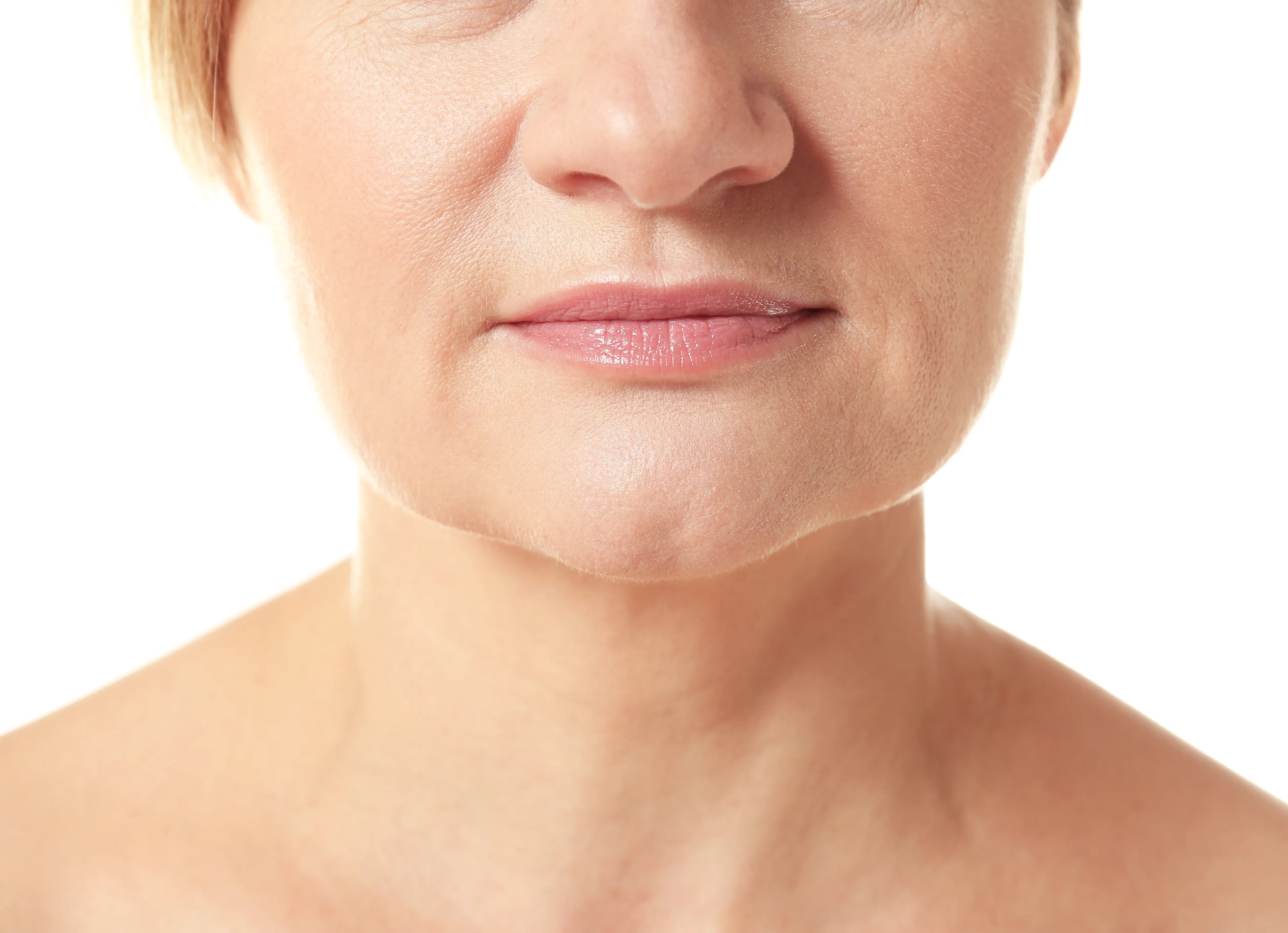
Jowls are areas of sagging skin and soft tissue that hang below the jawline, usually on either side of the chin. They can soften the border between the face and neck, create heaviness around the mouth, and make the lower face look less defined.
Although jowls are commonly associated with aging, they are not caused by loose skin alone. Facial fat, muscles, ligaments, and bone structure also affect how clearly the jawline is supported. Research on lower-face aging shows that jowl formation involves changes across the skin, fat compartments, and underlying facial structure.
How to Get Rid of Jowls
The most appropriate method depends on how much sagging is present and what is causing it. Home care may help protect the skin, but established jowls often need treatment aimed at volume loss, collagen decline, muscle activity, or descended tissue:
1. Practice Exercises That Support Posture and Muscle Tone
Chin tucks and gentle neck stretches may improve posture and strengthen the muscles that support the head and neck. Try 10 slow chin tucks followed by controlled side-to-side neck stretches, repeating the routine 3 to 4 times per week without forcing the movement.
These exercises should be viewed as supportive care rather than a way to remove established jowls. Evidence for facial exercises remains limited, and they cannot tighten excess skin or reposition descended facial tissue.
2. Protect the Skin’s Remaining Collagen
Daily skincare cannot lift significant jowls, but it can help slow further loss of elasticity. Apply a broad-spectrum sunscreen with SPF 30 or higher every morning, including along the jaw and neck. Reapply it during extended sun exposure.
A retinoid may also support collagen production and improve skin texture. Begin with 2 nights per week, followed by moisturizer, and increase gradually if the skin tolerates it. Sun protection remains essential because UV exposure accelerates sagging and other signs of premature aging.
3. Dermal Filler
Dermal filler can improve mild jowls by adding support around the chin, jawline, or hollow area directly in front of the jowl. Strategic placement smooths the break in the mandibular border, making the lower face appear more continuous and defined.
Filler does not remove loose tissue, so careful placement is important. It is generally better suited to early jowling, volume loss, or limited chin projection than to substantial sagging. Results are visible soon after treatment but gradually fade as the filler breaks down.
4. Radiofrequency
Radiofrequency treatments deliver controlled heat beneath the skin, triggering collagen remodeling and gradual tightening. They may help when jowls are still mild and the main concern is reduced firmness rather than a large amount of hanging tissue.
Results develop progressively and may require several sessions, depending on the device and skin condition. Radiofrequency cannot produce the same degree of repositioning as surgery, but it offers a useful option for patients who are not ready for an operation.
5. Ultherapy
Ultherapy uses microfocused ultrasound energy to create controlled thermal points beneath the skin. This process encourages new collagen formation without cutting or removing the surface tissue.
Improvement usually becomes more noticeable over the following months as collagen rebuilds. Clinical studies have found that microfocused ultrasound can improve lower-face and jawline laxity, although the effect is more modest than surgical lifting and works best for mild to moderate concerns.
6. Reduce Platysma Pull with Botulinum Toxin
In some people, the platysma muscle pulls downward along the jawline and creates visible neck bands. Carefully placed botulinum toxin injections can relax this activity, helping the lower face appear smoother and the jawline slightly more defined.
This treatment is intended for muscle-related concerns, not excess skin, facial fat, or heavy jowls. Randomized clinical studies have reported improvement in platysma prominence and jawline appearance after botulinum toxin treatment, but the effect is temporary and patient selection matters.
7. Facelift
A facelift provides the most substantial correction for moderate to advanced jowls. Rather than relying only on skin tightening, modern techniques reposition deeper facial tissues, refine the jawline, and remove excess skin after the internal structure has been lifted.
This approach treats the actual tissue descent responsible for prominent jowls. It involves surgery and a longer recovery than injectable or energy-based treatments, but it can deliver more complete and longer-lasting correction when non-surgical options are no longer sufficient.
Read also: Facelift vs. Non-Surgical Skin Tightening: Which Treatment Is Right for You?
What Causes Jowls to Appear?
Jowls usually result from several age-related and structural changes occurring together. Identifying the main cause helps prevent treatments from adding volume or tightening skin in the wrong area:
1. Collagen and Elastin Loss
Collagen gives the skin strength, while elastin allows it to return to its original position. As production declines, the skin becomes thinner and less resistant to gravity, making laxity along the lower face more visible. The degree of collagen loss also varies according to genetics, sun exposure, and general skin health.
2. Descending Fat and Facial Tissue
Facial fat is arranged in separate compartments rather than one continuous layer. With age, these compartments may lose volume, enlarge, or shift downward, contributing to fullness below the jawline and hollowness above it. As a result, tissue that once sat higher on the face begins collecting around the mouth and jaw.
3. Facial Bone Structure and Genetics
A small or recessed chin may provide less support for the skin and soft tissue around the lower face. Some people also inherit thinner skin, weaker connective tissue, or facial proportions that make jowls noticeable earlier. These structural differences explain why 2 people of the same age can have very different jawlines.
4. Weight Changes
Significant weight loss can reduce facial volume and leave skin with less internal support. Repeated weight gain and loss may also stretch the tissue, making the lower face appear looser over time.
5. Sun Exposure, Smoking, and Daily Habits
UV radiation accelerates collagen breakdown, while smoking exposes the skin to substances that contribute to premature aging. Over time, both habits can make the skin thinner, less elastic, and more likely to sag.
Treat the Cause, Not Just the Outline
The best way to get rid of jowls depends on what is weakening the jawline. Skincare protects existing collagen, filler restores selected areas of support, radiofrequency and Ultherapy address mild laxity, botulinum toxin reduces downward muscle pull, and facelift surgery repositions tissue when sagging is more advanced.
This range of options is available through Jowls Treatment Bali at Nulook, including dermal filler, radiofrequency treatment, Ultherapy, botulinum toxin, and facelift surgery. Having both non-surgical and surgical procedures in one clinic allows the treatment to follow the severity and source of the jowls instead of being limited to a single technique.
Nulook combines qualified plastic surgeons, doctors trained directly in Korea, individualized treatment planning, modern techniques, and strict standards of safety and hygiene. The focus remains on restoring a cleaner jawline while keeping the face recognizable and naturally balanced.
Book an appointment at Nulook to find the treatment that addresses what is actually causing your jowls.
References:
- Medical News Today. Accessed in 2026. Jowls: Exercises, causes, treatment, and prevention.
- Westlake Dermatology & Cosmetic Surgery. Accessed in 2026. 5 Effective Jowl Treatment Options - How To Get Rid Of Jowls.
- Dr. Leah Cosmetic Skin Clinics. Accessed in 2026. Treatment for Sagging Jowls | Get Rid of Jowls.
- National Library of Medicine. Accessed in 2026. Quantitative Analysis of Age-Related Changes in the Lower Face.
