
Fat Graft vs Filler and What Actually Sets Them Apart
Author: Nulook ExpertiseReview by: NuLook Aesthetic DoctorsWhen facial volume starts to disappear, the change can be subtle at first. The cheeks may look flatter, the temples more hollow, or certain lines may become more noticeable. Fat graft vs filler is a common comparison for people who want to restore that volume, but the two treatments work in very different ways.
Fat grafting uses your own fat, which is harvested from another part of the body and transferred to selected areas of the face. Fillers use an injectable material to add volume without harvesting fat, making them a less involved option. The better choice depends on the area being treated, how much correction is needed, and how long you want the result to last.
Read also: 4 Differences Between Filler and Fat Filler (or Fat Graft)
Fat Graft vs Filler
The easiest way to compare them is to look at what actually changes when you choose one over the other. Here are the differences that matter when considering facial rejuvenation:
1. Material Used
Fat grafting uses fat collected from your own body. The harvested tissue is prepared and then transferred to areas where additional facial volume is needed.
Fillers use an injectable material formulated for soft-tissue augmentation. Different fillers have different properties, so the material selected depends on the area and the type of correction required.
2. How the Treatment Is Performed
Fat grafting involves two parts: harvesting the fat and placing it into the face. This makes it a surgical procedure and generally more involved than a filler injection.
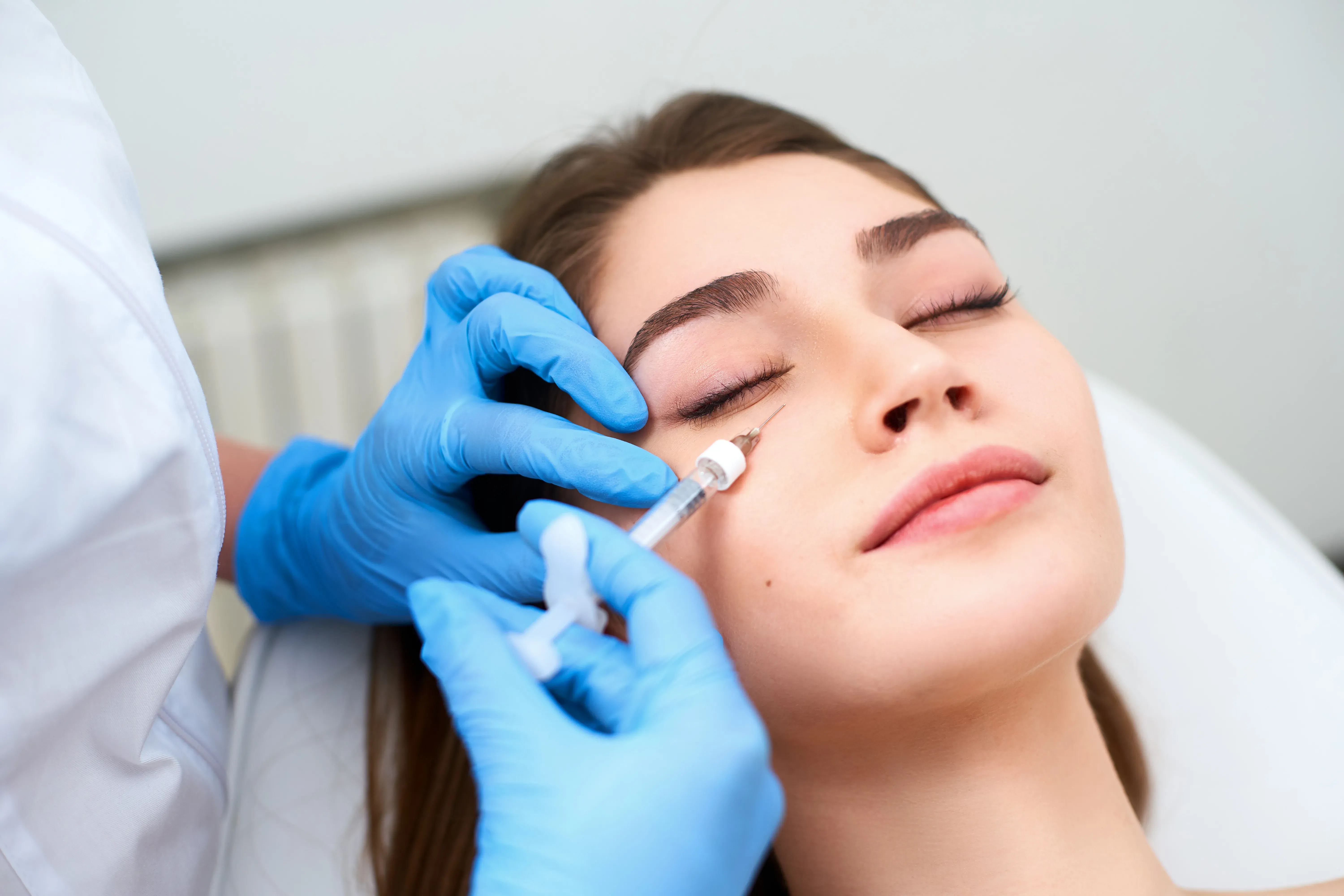
Fillers are injected directly into the treatment area, usually in an outpatient setting. The procedure itself is typically much shorter because there is no need to collect or prepare fat beforehand.
3. How Long the Results Last
Fat grafting can provide long-lasting volume because fat cells that successfully survive the transfer can remain for years. However, some of the transferred fat is naturally reabsorbed, so the final amount of retained volume can vary between individuals.
Most commonly used fillers are temporary and gradually absorbed by the body. How long they last depends on the material, the treatment area, and the individual.
4. Volume and Treatment Areas
Fat grafting can be useful when several areas need volume restoration. It is commonly used for areas such as the cheeks, temples, lips, and other areas affected by facial volume loss.
Fillers can also address multiple facial areas, including the cheeks, lips, and chin, depending on the specific product and its approved use. Their injectable nature also allows for precise adjustments in smaller areas.
5. Downtime and Treatment Commitment
Because fat grafting involves harvesting fat, it requires more recovery than a typical filler treatment. There may be swelling and bruising in both the donor and treated areas.
Fillers generally involve less downtime, although swelling, bruising, redness, or tenderness can occur after injection.
Does Fat Grafting Go Away if You Lose Weight?
Weight loss can affect transferred facial fat because the grafted tissue remains living fat. Significant changes in body weight may therefore change the amount of volume visible in the treated area.
This does not mean that all transferred fat disappears after weight loss. Fat cells that successfully establish a blood supply can remain long term, but their size can change as your overall body weight changes. Maintaining a relatively stable weight can help keep the result more consistent.
Read also: Causes of Facial Asymmetry: Find Solutions for Facial Harmony
How Do You Choose the Right Option?
There is no universal winner in the fat graft vs filler comparison. The right choice comes down to what you want to change and how you want the treatment to fit into your lifestyle:
1. Consider How Much Volume You Need
A small correction in one area may be well suited to an injectable filler. More extensive volume restoration across several facial areas may make fat grafting worth considering.
2. Think About Longevity
If long-term volume is a priority, fat grafting offers surviving fat cells that can remain for years. If you prefer an option that can be repeated as the appearance changes, temporary fillers provide that flexibility.
3. Consider Your Available Donor Fat
Fat grafting requires enough suitable tissue to harvest from another area of the body. This is one factor a surgeon considers before recommending the procedure.
4. Factor in Recovery
Fat grafting requires recovery from both fat harvesting and facial treatment. Fillers generally involve a shorter treatment and less downtime, which may be more practical if you need to return to your normal routine quickly.
5. Match the Treatment to the Area
Different facial areas require different approaches. The anatomy, amount of volume needed, skin condition, and desired contour all influence whether fat or filler is more appropriate. ASPS also emphasizes that the choice between facial fat grafting and fillers is case-specific rather than a simple one-treatment-fits-all decision.
Read also: Which Is Better: Fillers or Thread Lift for Natural Results?
Restore Facial Volume With an Approach That Fits Your Features
The fat graft vs filler decision is less about choosing the treatment that is supposedly better and more about choosing the one that makes sense for the correction you want. Fat grafting can provide longer-term volume using your own tissue, while fillers offer a simpler injectable approach with different options for controlling and maintaining volume.
At Nulook, Facial Fat Transfer Bali focuses on restoring facial volume using your own fat. The procedure can address facial areas affected by volume loss while also making use of unwanted fullness from a donor area. Depending on the surgical plan, it may be performed under local anesthesia or mild sedation.
If you want a non-surgical approach, Filler offers another way to restore or enhance facial volume without fat harvesting. The two treatments can serve different aesthetic goals, so having access to both allows the treatment approach to be based on the correction rather than forcing every patient toward the same procedure.
Nulook brings a Korean aesthetic clinic concept to Bali, with an emphasis on refined facial proportions and natural-looking aesthetic results. Its approach is suited to patients who want noticeable refinement without losing the features that make their face recognizable.
Book an appointment with Nulook to discuss your goals and the facial volume approach that fits your features.
References:
- American Society of Plastic Surgery. Accessed in 2026. Facial fat grafting vs facial fillers
- National Institutes of Health. Fat or Filler: The Dilemma in Eyelid Surgery
