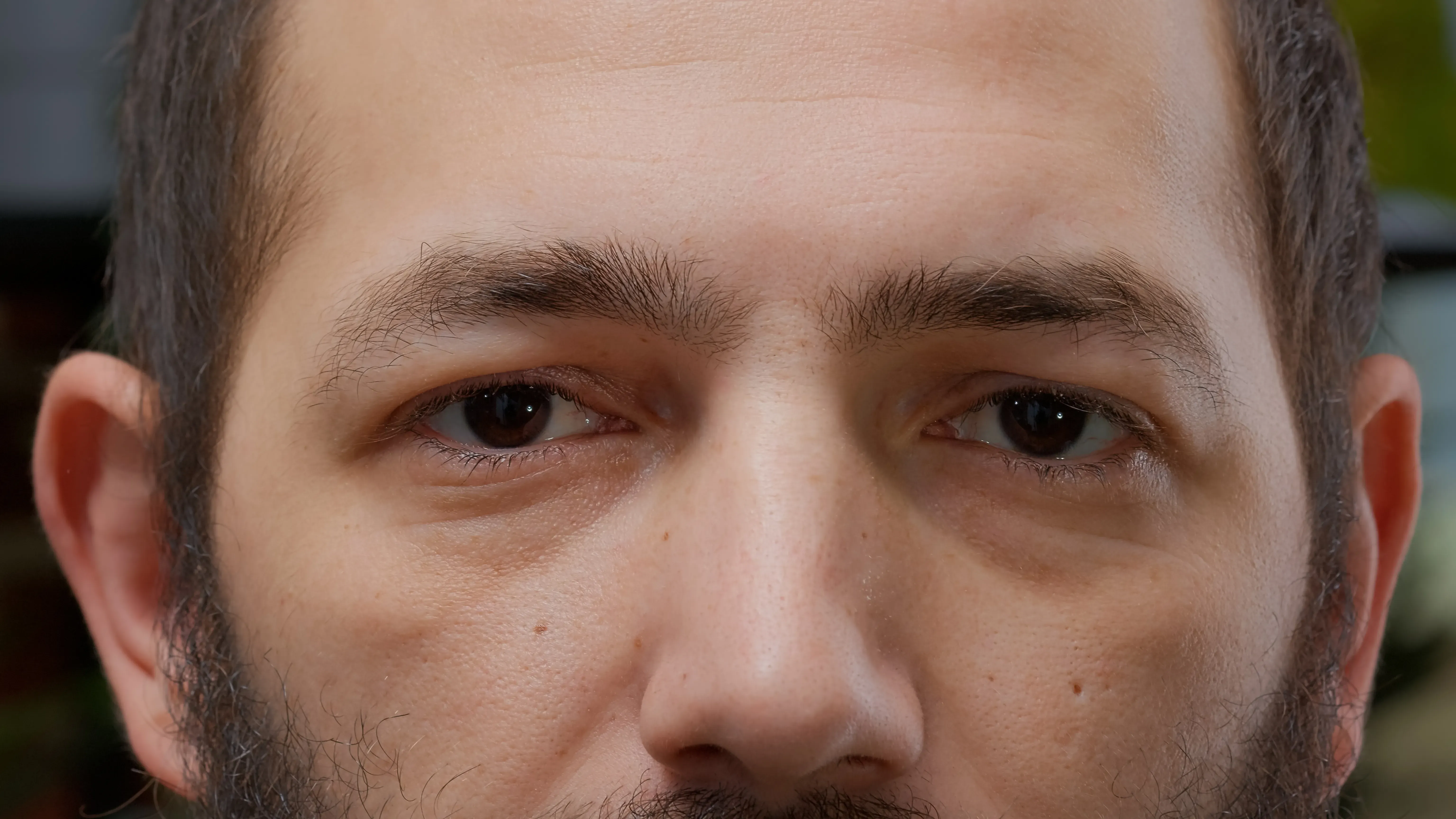

Droopy Eyelids: What Causes Them and When Should You Consider Treatment?
Author: Nulook ExpertiseReview by: NuLook Aesthetic DoctorsDroopy eyelids can make your eyes look tired even when you feel completely rested. The term droopy eyelids can refer to different changes, including excess upper-eyelid skin, a low eyebrow, or true eyelid ptosis, where the upper eyelid itself sits lower than it should. Because the cause matters, the right treatment is not always the same.
For some people, the concern is mainly cosmetic. For others, drooping can become noticeable when reading, driving, working at a computer, or looking upward. Understanding what is actually causing the eyelid to droop is the first step toward choosing an appropriate solution. Read on to see what you should know before considering treatment.
Read also: 8 Natural Ways to Reduce Uneven Eyelid Folds
When Droopy Eyelids Need More Than a Cosmetic Fix?
Not every droopy-looking eyelid is caused by the same problem. Excess skin, changes in the brow, and ptosis can create a similar appearance but involve different structures around the eye.
Some signs deserve closer attention:
- One eyelid suddenly starts to droop
- The drooping affects your field of vision
- You experience double vision or eye pain
- You frequently raise your eyebrows or tilt your head to see better
- One eyelid sits noticeably lower than the other
Sudden eyelid drooping, particularly when accompanied by pain or double vision, should be medically evaluated rather than treated as a cosmetic concern.
Read also: Understanding the Procedure Before Eyelid Surgery: What You Need to Know!
What Causes Droopy Eyelids?
The causes of droopy eyelids can vary from natural aging to changes in the eyelid muscles, skin, or surrounding tissues. Here are some of the most common causes to know:
1. Aging
As the skin loses elasticity and the tissues around the eyes change, the upper eyelids can become heavier or more hooded. The muscles and connective tissues that support the eyelid can also weaken over time.
2. Excess Eyelid Skin
Loose or redundant upper-eyelid skin, known as dermatochalasis, can hang over the natural eyelid crease and create a droopy appearance. In more pronounced cases, it can also interfere with peripheral vision.
3. Eyelid Ptosis
Ptosis occurs when the upper eyelid itself sits lower because the muscle or related structures responsible for lifting it are not functioning normally. It may affect one or both eyes and can vary in severity.
4. Brow Drooping
A lower eyebrow can push the skin above the eyelid downward, making the upper eyelid look heavier. This can sometimes be mistaken for excess eyelid skin or ptosis.
5. Previous Injury or Surgery
Trauma and previous eye procedures can affect the muscles, nerves, or supporting structures around the eyelid. These changes may contribute to acquired ptosis or other forms of eyelid asymmetry.
Can Droopy Eyelids Be Treated Without Surgery?
The answer depends on what is causing the drooping. Mild changes that are mainly related to the appearance of the surrounding skin may have nonsurgical options, while significant excess skin or true ptosis may require a surgical approach.
For excess upper-eyelid skin, blepharoplasty is one established surgical option. The procedure removes selected excess skin and may also address muscle or fat when appropriate. When true ptosis is present, a ptosis repair may be performed to address the eyelid-lifting mechanism itself.
The important point is that eyelid surgery should not be viewed as simply “removing loose skin.” The treatment needs to match the anatomical cause of the drooping.
Read also: Restrictions After Eyelid Surgery and Proper Care Tips
Feel More Awake Without Changing What Makes You Look Like You
If droopy eyelids are making your eyes look heavier than you would like, the goal should not be to create an entirely different eye shape. A well-planned approach focuses on improving the area while keeping the result proportionate to your natural features.
For people whose concern is excess upper-eyelid skin, Eyelid Surgery Bali at Nulook can be considered as a surgical option. Blepharoplasty is designed to address excess eyelid skin and, when appropriate, underlying tissue that contributes to a heavy or baggy upper eyelid. It can also help when excess skin affects part of the visual field.
Choosing an eyelid procedure also means choosing a clinic where the eye area is treated with appropriate care and precision. Nulook provides aesthetic treatment in Bali, giving patients a dedicated setting to discuss their concerns, expected outcome, and suitability for treatment with an experienced medical team.
If heavy-looking eyelids are affecting how you feel about your appearance, book an appointment with Nulook and take the first step toward eyes that look naturally refreshed, without losing the features that make your face uniquely yours.
References:
- Cleveland Clinic. Accessed in 2026. Ptosis (Droopy Eyelid): Causes & Treatment
- UCLA Health. Accessed in 2026. Blepharoptosis
- Healthline. Accessed in 2026. 5 Exercises for Droopy Eyelids and When to See a Doctor
