
Understanding Dermal Collagen Remodelling, When Your Skin Stops Bouncing Back
Author: Nulook ExpertiseReview by: NuLook Aesthetic DoctorsSkin does not suddenly become loose or wrinkled overnight. Beneath the surface, the body constantly repairs, replaces, and reorganizes collagen fibers to maintain skin structure. This ongoing biological process is known as dermal collagen remodelling, and it plays a major role in how firm, smooth, and resilient the skin looks over time.
As collagen production slows with age, the skin gradually loses density and elasticity. Fine lines become more visible, facial contours soften, and skin texture changes. This article explores the process, the factors that affect it, and how modern aesthetic treatments support collagen renewal more effectively.
Read also: How to Revive Dull, Aging Skin and Bring Back Radiance
What Is Dermal Collagen Remodelling?
Dermal collagen remodelling refers to the natural process where the body breaks down old or damaged collagen fibers and replaces them with newly formed collagen. This cycle is essential because collagen acts as the structural framework that keeps the skin firm, dense, and supported.
In younger skin, collagen remodelling happens efficiently and continuously. Fibroblast cells actively produce fresh collagen while damaged fibers are removed naturally. This balance helps maintain smoother and tighter skin.
However, collagen production begins declining gradually in the mid twenties. External factors such as UV exposure, smoking, stress, pollution, and poor lifestyle habits can accelerate collagen degradation even further. As collagen fibers weaken faster than the body can replace them, the skin starts showing visible signs of aging.
This is why treatments focused on dermal collagen remodelling have become increasingly important in aesthetic medicine. Instead of only improving the skin temporarily on the surface, these treatments aim to stimulate the body's own collagen rebuilding process from within.
Why Collagen Declines Faster Over Time
Several biological and environmental factors influence how quickly collagen breakdown occurs. Here’s the explanation:
1. Natural Aging Process
As the body ages, fibroblast activity slows down. This reduces the skin's ability to produce fresh collagen efficiently, leading to thinner and less elastic skin over time.
2. Chronic Sun Exposure
UV radiation damages collagen fibers within the dermis through a process known as photoaging. Repeated sun exposure without protection accelerates collagen degradation and contributes significantly to premature skin laxity.
3. Hormonal Changes
Hormonal fluctuations, especially declining estrogen levels during menopause, can reduce collagen density dramatically. This often leads to increased skin dryness, thinning, and sagging.
4. Lifestyle Habits
Smoking, poor sleep quality, excessive sugar intake, and chronic stress all contribute to oxidative stress within the body. These factors weaken collagen fibers and impair the skin's natural repair mechanisms.
5. Reduced Skin Regeneration
As skin renewal slows with age, damaged collagen accumulates faster while healthy collagen production decreases. This imbalance affects overall skin firmness and texture.
Read also: 7 Benefits of Collagen for Bright and Healthy Skin
How Modern Treatments Support Dermal Collagen Remodelling
Many modern aesthetic procedures are now designed specifically to stimulate collagen regeneration beneath the skin rather than only treating visible surface concerns. Learn more here:
1. Collagen Stimulator Treatments
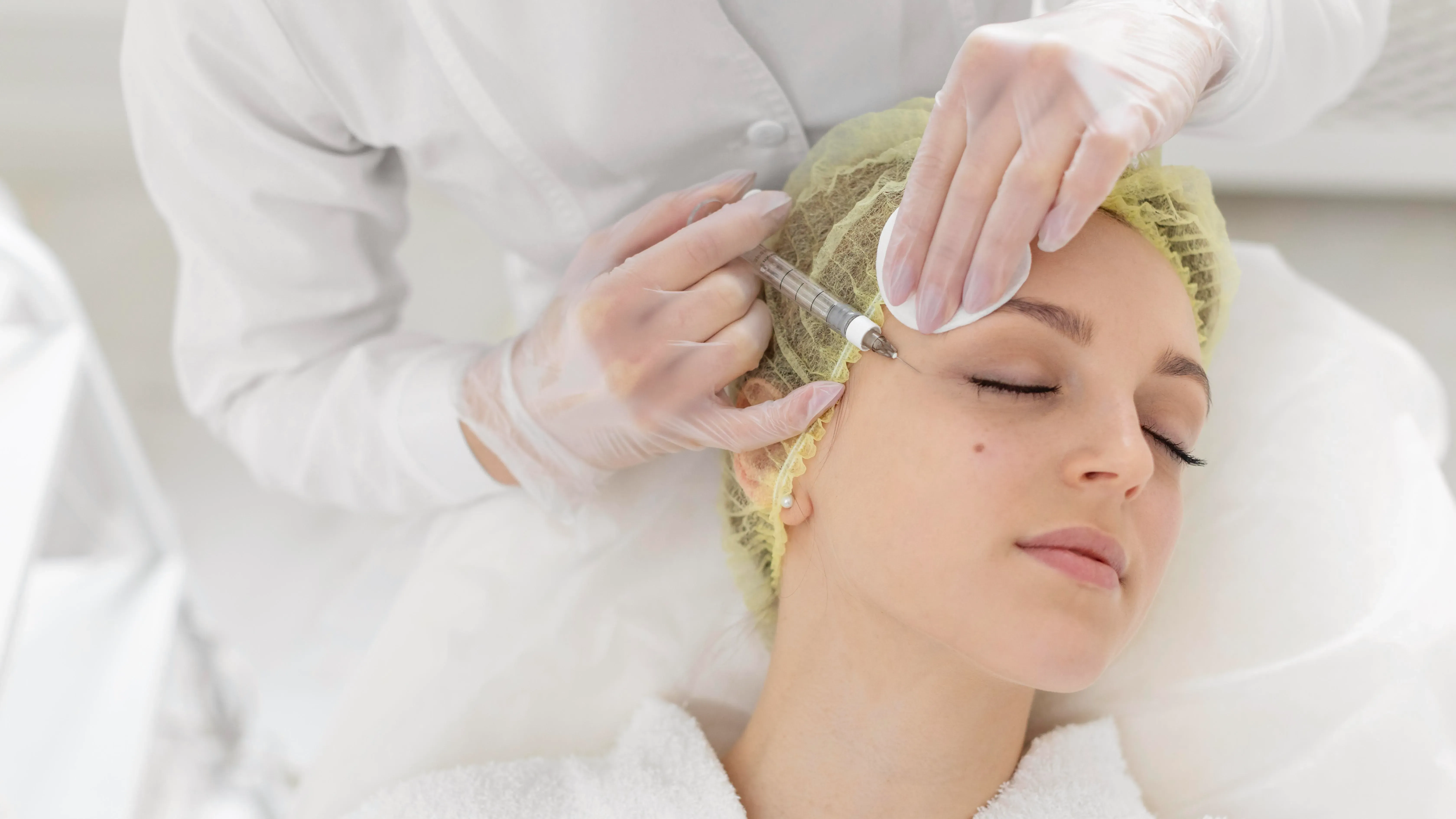
Collagen stimulator treatments work by encouraging fibroblast activity within the dermis. Instead of adding temporary volume alone, these treatments trigger the body to gradually produce new collagen over time.
As collagen rebuilds progressively, the skin may appear firmer, smoother, denser, and more lifted in a natural-looking way. Because results develop gradually, improvements often appear more subtle and balanced compared to treatments that rely only on immediate correction.
2. Energy Based Skin Tightening Technology
Certain treatments using radiofrequency, ultrasound, or other energy based technologies help stimulate controlled heat beneath the skin. This process encourages collagen contraction while supporting long-term collagen remodelling.
The body responds to this controlled stimulation by activating natural repair processes, which may improve skin firmness gradually over several months.
3. Lifestyle Support for Collagen Health
Professional treatments are often more effective when combined with healthy daily habits. Consistent sun protection, balanced nutrition, hydration, adequate sleep, and avoiding smoking all help protect collagen from further breakdown.
Nutrients such as protein and vitamin C are especially important because collagen synthesis depends heavily on amino acids and antioxidants to support skin repair.
Can Dermal Collagen Remodelling Improve Loose Skin?
Dermal collagen remodelling can help improve mild to moderate skin laxity by strengthening the skin structure gradually over time. As new collagen forms beneath the skin, areas affected by early sagging may appear firmer and more supported.
However, the extent of improvement depends on several factors, including age, skin condition, collagen loss severity, and overall lifestyle habits. In cases of advanced skin laxity, combination treatments may be recommended to achieve more noticeable improvement.
Because collagen renewal is a gradual biological process, visible changes usually develop progressively rather than immediately. This is why consistency and realistic expectations remain important when undergoing collagen-focused treatments.
Read also: Top 7 Korean Facial Treatments Popular Among Expats
Supporting Skin Strength from Within with Modern Collagen Technology
Dermal collagen remodelling has become one of the key foundations of modern aesthetic medicine because long-term skin quality depends heavily on collagen health beneath the surface. Rather than focusing only on temporary correction, collagen stimulation treatments aim to support stronger and healthier skin structure over time.
Considering Collagen Stimulator Treatment Bali at Nulook is the best choice. The clinic combines Korean aesthetic techniques with modern collagen-focused technology to help improve skin firmness, elasticity, and facial balance more naturally. Treatments are designed to stimulate gradual collagen renewal while maintaining results that still look refined and proportional to the patient's natural features.
Nulook prioritizes personalized consultations and detailed skin analysis before creating treatment plans. Every procedure is adjusted according to the patient's skin condition, aging concerns, and long-term aesthetic goals to support safer and more balanced outcomes.
Our doctor will help determine the most suitable collagen stimulation approach based on your skin condition and desired results. Book an appointment at Nulook to explore personalized treatments designed to support healthier, firmer, and more resilient skin over time.
References:
- National Institute of Health. Accessed in 2026. Remodeling of dermal collagen in photoaged skin using low-dose 5-aminolevulinic acid photodynamic therapy occurs via the transforming growth factor-β pathway.
- Research Gate. accessed in 2026. Dermal remodeling associated with collagen production.
- Cosmetic Aesthetics Victoria. Accessed in 2026. What Is Thermal Collagen Remodelling?
