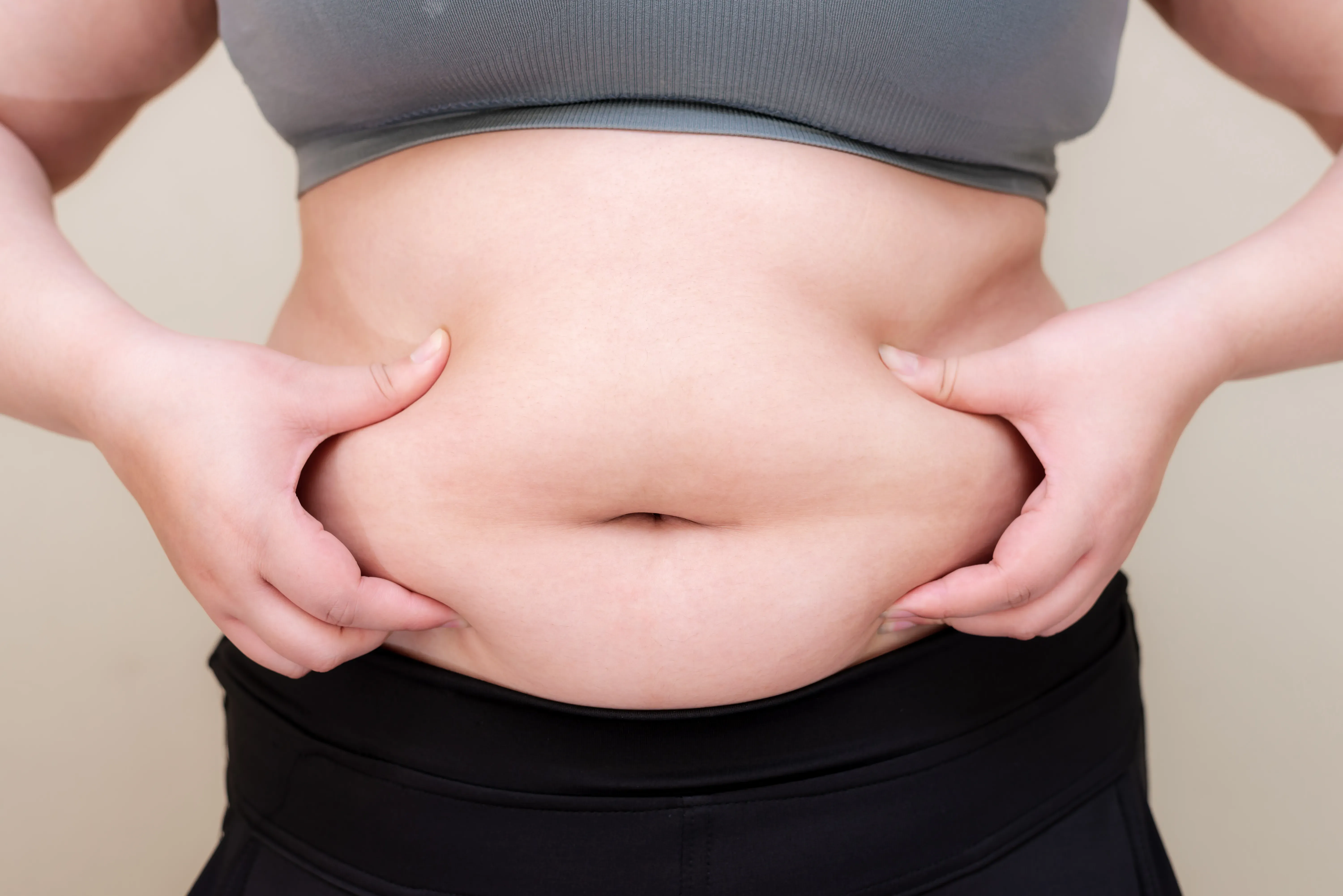

Adipocytes: The Fat Cells Running Your Body Behind the Scenes
Author: Nulook ExpertiseReview by: NuLook Aesthetic DoctorsMost people think of fat as something to lose. But your body disagrees. Fat cells, scientifically known as adipocytes, are among the most metabolically active cells in the human body and they do far more than store energy.
From regulating your hormones to protecting your organs, adipocytes play a central role in keeping you alive and functioning. Curious about what they actually do, and whether you can get rid of them? This article breaks it all down for you.
Read also: Onda Pro for Face and Body Contouring: A Smarter Way to Target Stubborn Fat
What Are Adipocytes?
Adipocytes are specialized cells that make up adipose tissue, which is what most people simply call "body fat." These cells are designed with one primary structural purpose: to store lipids, particularly in the form of triglycerides.
When you consume more calories than your body burns, adipocytes expand to hold that excess energy in reserve. When your body needs fuel, these same cells release fatty acids into the bloodstream to be used.
But here is where it gets interesting. Adipocytes are not passive storage units. They are endocrine cells, meaning they actively secrete hormones and signaling molecules called adipokines — including leptin, which regulates hunger, and adiponectin, which plays a role in insulin sensitivity.
In other words, your fat cells are constantly communicating with your brain, immune system, and metabolic pathways. The amount and type of adipose tissue you carry directly influences your overall hormonal balance, inflammatory response, and long-term health.
The Role of Adipocytes in the Body
Adipocytes do a lot more than sit beneath the skin. Here is a closer look at five key functions they serve:
1. Energy Storage and Release
When dietary energy exceeds what your body immediately needs, adipocytes absorb fatty acids and glucose, converting them into triglycerides for long-term storage. During periods of fasting, exercise, or caloric deficit, these stored triglycerides are broken down through a process called lipolysis, releasing free fatty acids into the bloodstream as fuel for muscles, organs, and brain function. This energy buffering system is essential for survival.
2. Hormone Regulation
Adipocytes function as an endocrine organ. They produce and release several critical hormones, with leptin being one of the most studied. Leptin signals to your hypothalamus that energy stores are sufficient, effectively suppressing appetite. Adipocytes also secrete adiponectin, a hormone that enhances insulin sensitivity and has anti-inflammatory properties.
3. Thermal Insulation and Organ Protection
Subcutaneous adipose tissue acts as a natural insulator, helping the body maintain core temperature in cold environments. Visceral adipose tissue, which surrounds organs like the liver, kidneys, and intestines, provides a cushioning layer that protects them from physical shock and trauma. While excess visceral fat is associated with serious health risks, a healthy baseline level of it is structurally necessary.
4. Immune System Support
Adipose tissue is home to a diverse population of immune cells, including macrophages, T-cells, and natural killer cells. Adipocytes interact with these immune cells through the release of cytokines and adipokines, influencing the body's inflammatory response.
In healthy individuals, this interaction helps regulate immunity. In cases of obesity, chronic low-grade inflammation driven by dysfunctional adipocytes contributes to a range of conditions, from type 2 diabetes to certain cancers.
5. Reproductive and Hormonal Health
Adipocytes play a meaningful role in reproductive function, particularly in women. Adipose tissue is one of the primary sites where androgens are converted to estrogen through a process called aromatization. This is why both very low and very high body fat percentages can disrupt menstrual cycles and fertility. In adolescents, sufficient body fat is also required to trigger puberty and sustain hormonal development.
Read also: How to Reduce Localized Fat Deposits and Shape Your Body
Types of Adipocytes
Not all fat cells are the same. There are three recognized types of adipocytes, each with distinct characteristics and functions:
1. White Adipocytes
White adipocytes are the most abundant type in the human body. Each cell contains a single, large lipid droplet that takes up most of its volume, leaving little room for mitochondria or other cellular machinery.
These cells are the primary storage depots for energy and are distributed throughout subcutaneous and visceral tissue. When white adipose tissue accumulates in excess, particularly around the abdomen, it is associated with increased risk of metabolic disorders and cardiovascular disease.
2. Brown Adipocytes
Brown adipocytes are structurally different from white ones. They contain multiple smaller lipid droplets and a high density of mitochondria, which is what gives them their darker color. Rather than storing energy, brown fat burns it through a process called thermogenesis, generating heat to maintain body temperature.
Infants have relatively high amounts of brown fat, and adults retain small deposits in areas like the neck and upper back. Research into activating brown adipose tissue for metabolic benefits is an active area of study.
3. Brite Adipocytes
Brite adipocytes — sometimes called "beige" fat cells — are a hybrid type that sit somewhere between white and brown. They develop within white adipose tissue in response to specific stimuli, such as cold exposure or certain hormonal signals, and can take on brown fat-like thermogenic activity.
Unlike true brown fat, brite adipocytes are not present by default; they are recruited and can revert back to a white fat phenotype when the stimulus is removed. Scientists are increasingly interested in brite adipocytes as a potential therapeutic target for obesity and metabolic conditions.
Can You Remove Adipocytes?
This is a question many people ask, and the answer is nuanced. Diet and exercise do not eliminate fat cells, they shrink them. When you lose weight, your adipocytes reduce in size as they release stored lipids, but the cells themselves remain in place.
However, certain procedures can physically reduce the number of adipocytes in targeted areas:
- Liposuction surgically removes fat cells from specific regions of the body
- ONDA Pro Treatment use targeted energy to disrupt and destroy fat cells, which are then cleared by the lymphatic system
It is worth noting that even with fat reduction procedures, remaining adipocytes can still expand with weight gain. Results are best maintained alongside a healthy lifestyle.
Read also: Thigh Slimming Surgery with Liposuction
Your Body Deserves a Smarter Approach to Fat Reduction
Understanding adipocytes changes the way you think about body fat entirely. It is not simply a matter of willpower or calories. It is biology, and it is layered. Fat cells are deeply embedded in your body's hormonal and metabolic systems, which is why surface-level approaches often fall short of delivering lasting results.
If you are looking to go beyond diet and exercise and target stubborn fat deposits at the cellular level, advanced body contouring treatments offer a clinically supported path forward. One of the most precise options available today is ONDA Pro Treatment, available at Nulook, a Korean aesthetic clinic in Bali known for its evidence-based approach to aesthetic medicine.
ONDA Pro uses patented Coolwaves® technology that bypass the skin's surface entirely and concentrate up to 80% of their energy directly into subcutaneous fat cells. This targeted frequency causes fat cells to vibrate and break down through electroporation, after which they are naturally eliminated through the body's lymphatic system.
But if you want to try fat reduction with faster reshaping results, liposuction may also be considered. Liposuction is a surgical body contouring procedure that physically removes fat deposits from targeted areas such as the abdomen, thighs, arms, or waistline. This treatment typically provides more immediate contour changes.
At Nulook, treatments are performed by trained professionals within a clinical environment that prioritizes both safety and results. Ready to take a more targeted approach to fat reduction and body contouring? Book an appointment at Nulook and find the best treatment that fit for your goals.
References:
- National Institutes of Health. Accessed in 2026. Adipose Tissue: Physiology to Metabolic Dysfunction.
- Cleveland Clinic. Accessed in 2026. Adipose Tissue (Body Fat): Anatomy & Function.
- ScienceDirect. Accessed in 2026. Adipocyte - an overview.
